
S
J
5G&me
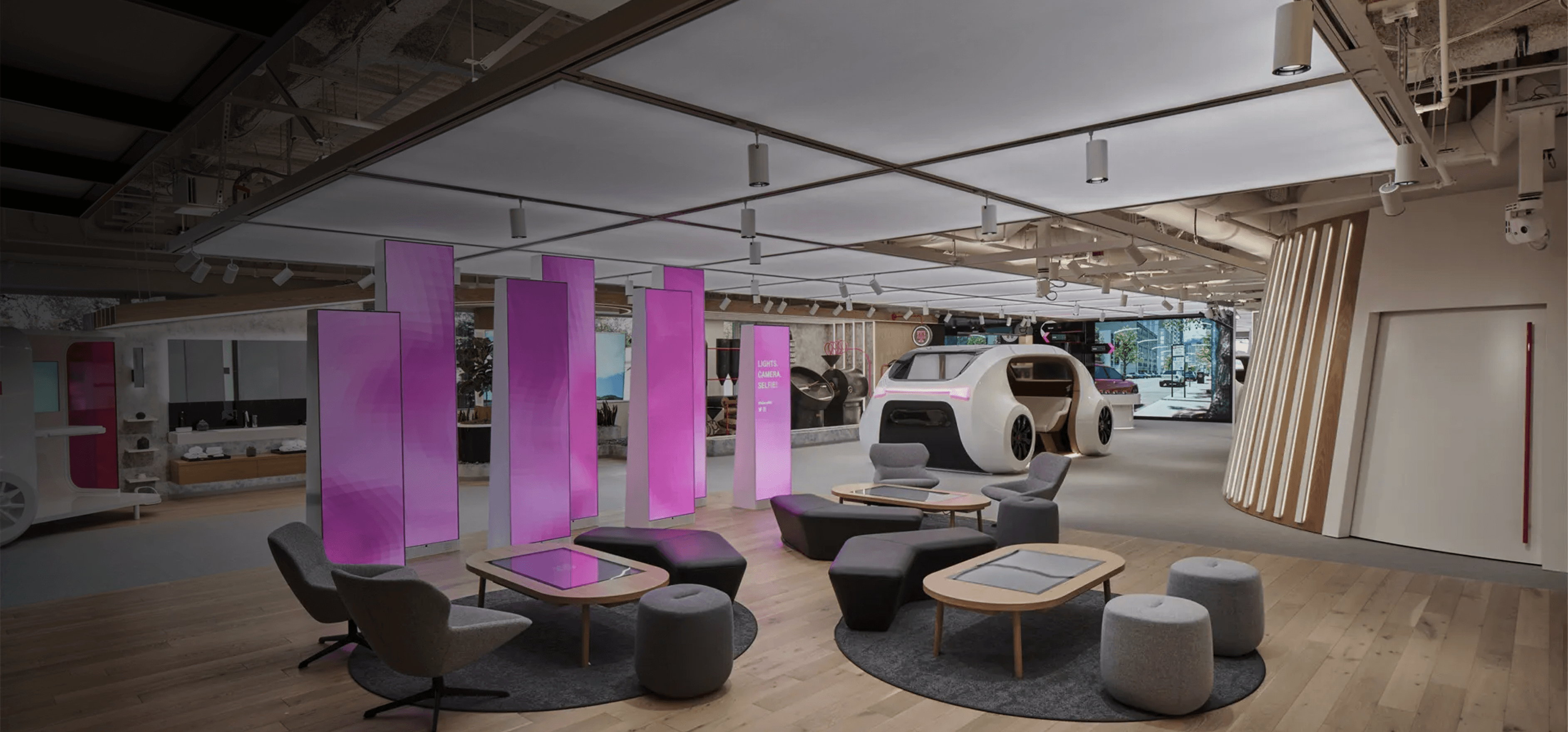
Designing unified digital experiences across five independent studios and five distinct physical environments to create a cohesive, award-winning exhibition space.
Experience Design
Design Systems
Multi-Studio Coordination
Physical + Digital
Overview - A new experience center
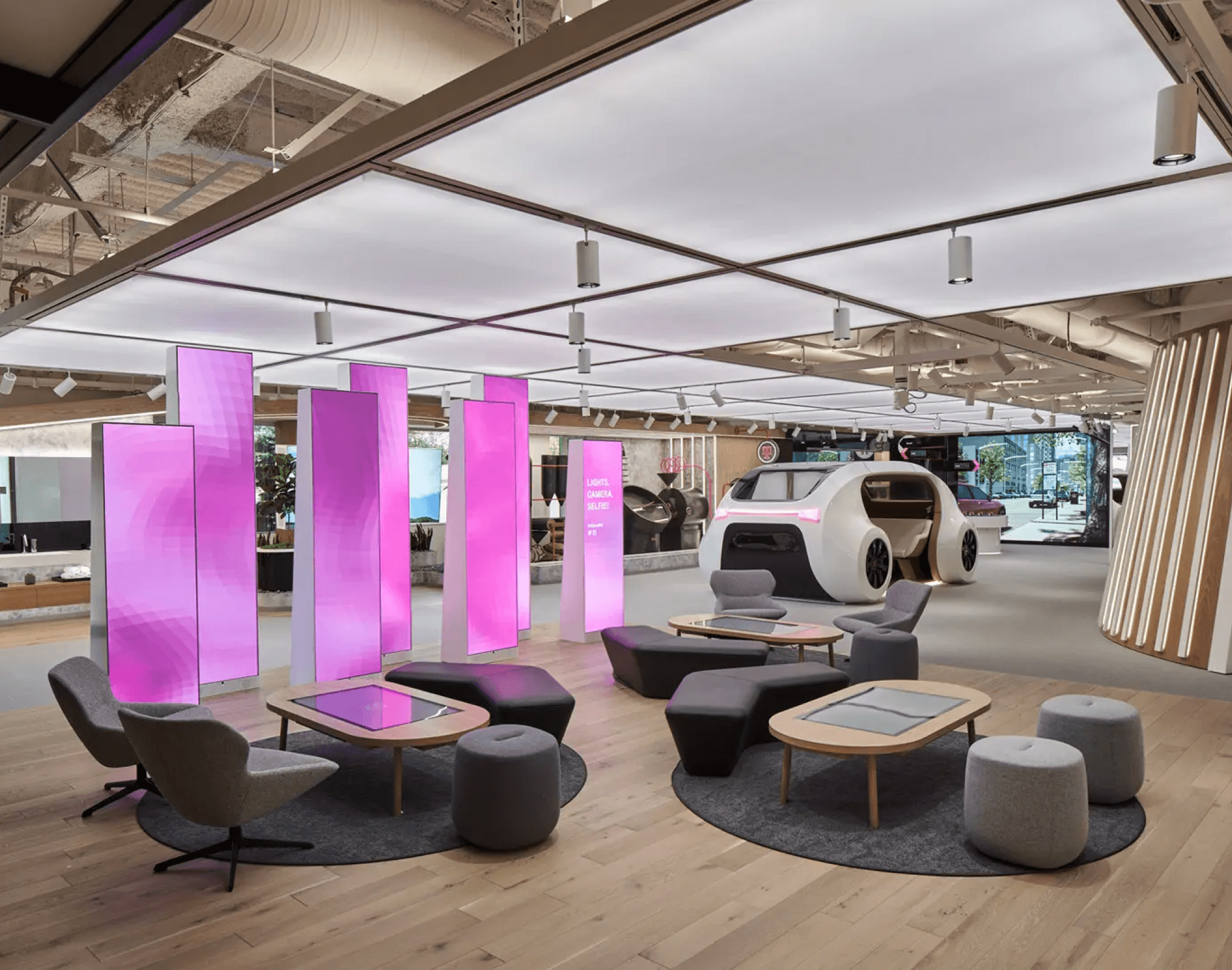
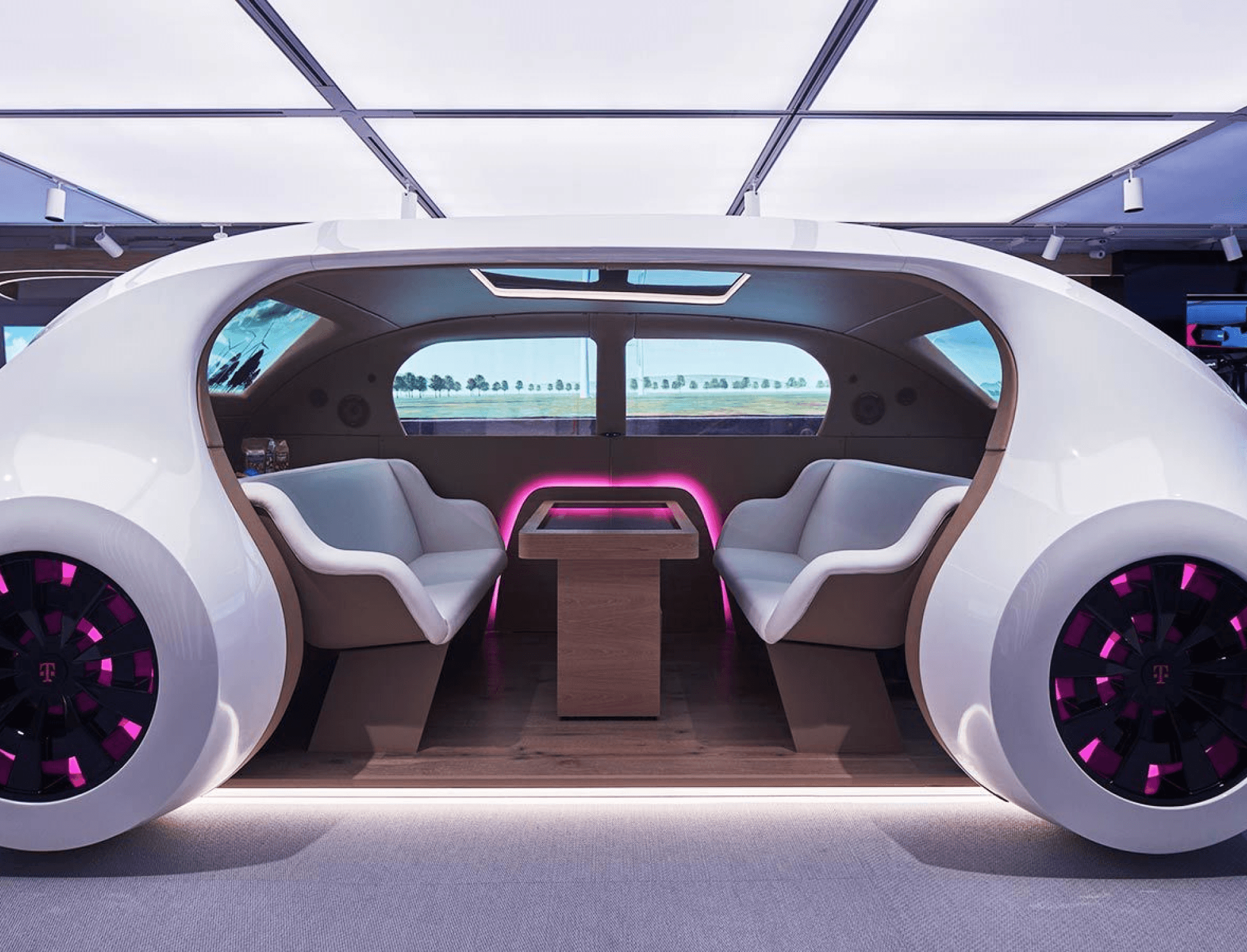
T-Mobile's brief was deceptively simple: create an interactive space showcasing the possibilities of their 5G network. But the execution was fragmented. Five external studios were hired to build completely different demos in parallel. A retail environment with product recognition mirrors. An autonomous vehicle with in-car entertainment. A factory floor monitoring station. A drone agriculture control center. A healthcare telemedicine setup. A 360 dome, and so on.
Each environment had different hardware, different types of interaction, different lighting conditions, and different content. Visitors would move from one to the next.
Visitors would experience five separate products bolted into one space. A tap in the retail demo needed to behave the same as a tap in the vehicle. Icons needed to have the same meanings. Navigation had to work the same way here, as over there. The any inconsistency would destroy the sense of a unified 5G future.
Five studios, each with their own design practices and processes, weren't going to accidentally build the same UX. Someone had to ensure that despite the radical differences in context, hardware, and content, the fundamental user experience remained consistent.
My part

Company
T-Mobile
Role:
UX/UI Designer
I served as the sole UX/UI designer on the Tech Experience Design team with a singular mandate: ensure that despite five different studios, five different physical spaces, and radically different types of interaction, the UX was consistent everywhere. Visitors should feel like they were navigating a unified system, not stumbling between five separate products.
Platform:
Physical installations with embedded digital interfaces
Impact
2021:
Award Recognition
ABPM World Class Briefing Award winner. Continued to inspire and wow visitors daily.
Unified Experience
Design system and direction enabled five independent studios to deliver a cohesive experience without losing their individual strengths.
Scalable System
Design system could be applied to future demos and interactive elements beyond the original installations.
Design System for Consistency
Built a design system around interaction patterns, not visual aesthetics. Every tap, swipe, state change, and feedback mechanism worked the same way across all five spaces, even when the visual context changed dramatically.
Cross-Studio Review
Reviewed all UX/UI work from five studios against consistency standards. Flagged deviations early, provided feedback, and ensured alignment without stifling each studio's creative approach to their unique context.
Core Contributions
Context-Specific Solutions
Designed for consistency in behavior while allowing visual adaptation to each environment. A touch interface in a dark vehicle interior couldn't look identical to one in a bright retail space, but it had to behave identically.
Gap Filling
When studios needed support or bandwidth, created interaction flows, designed UI solutions, and filled gaps. Always with the consistency mandate in mind.
Focus areas
The 5G&me center came together through collaboration with motion designers, sound designers, fabricators, and game designers. My focus was narrower and more specific. I designed the UX/UI in these five experiences and managed consistency across the entire space to make sure everything flowed together. This is where I had a direct hand in the design decisions.

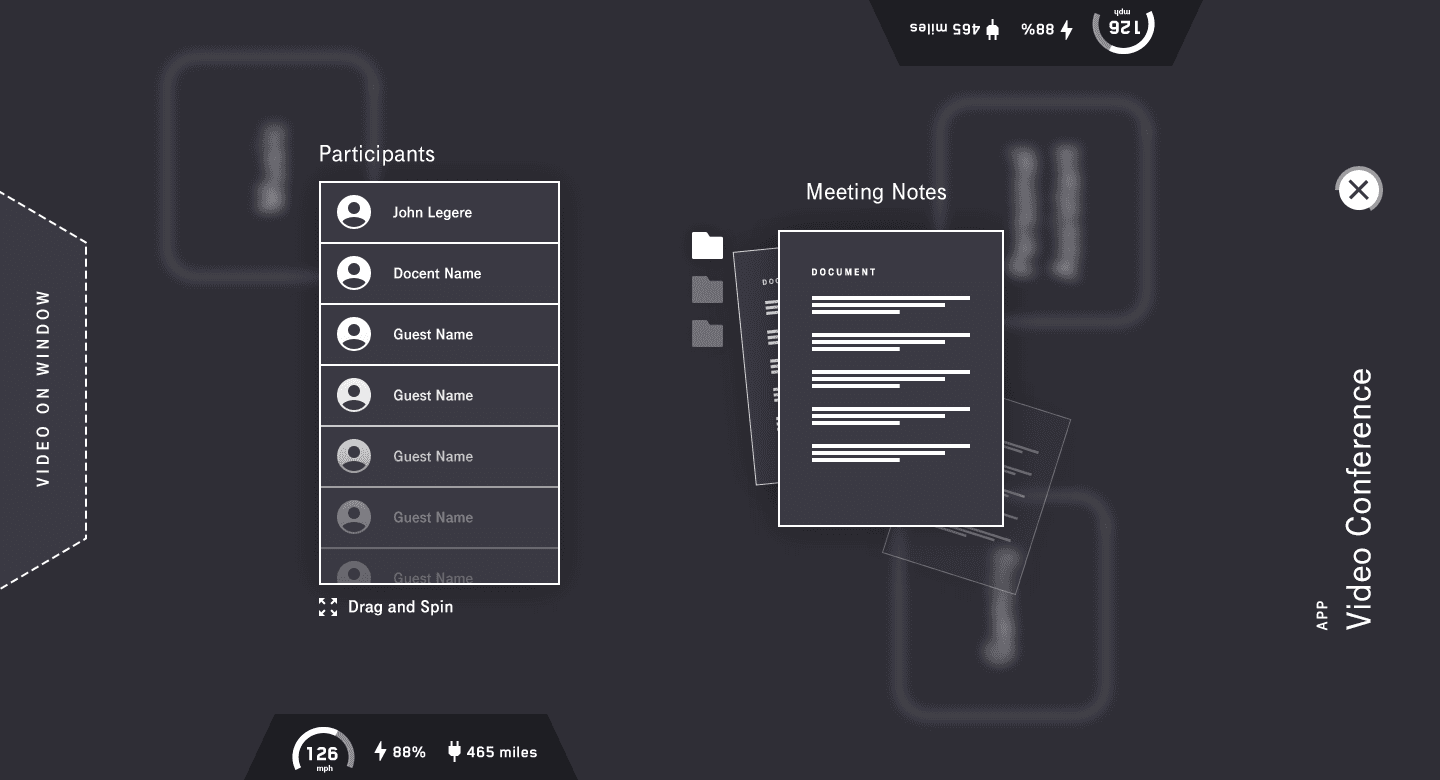
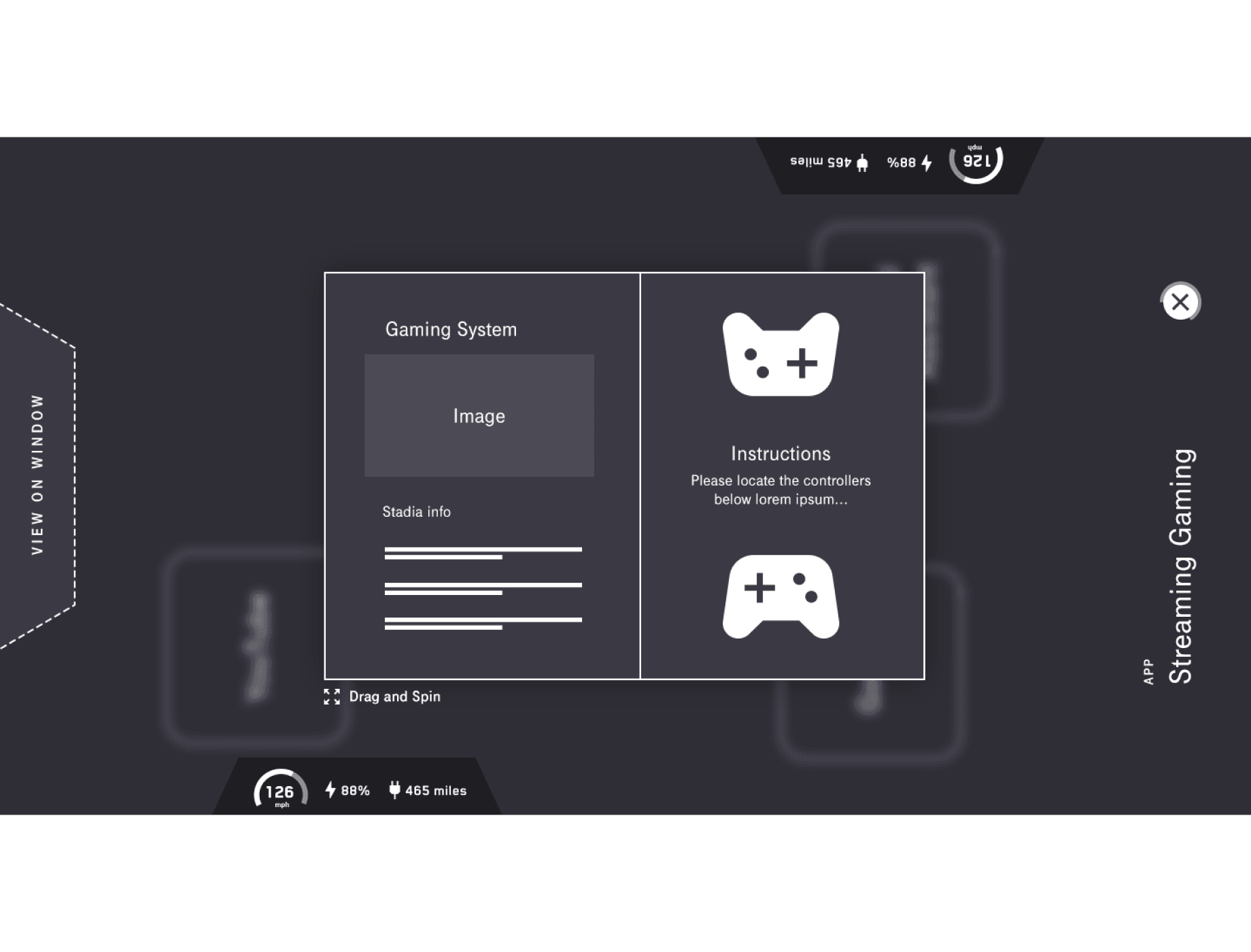
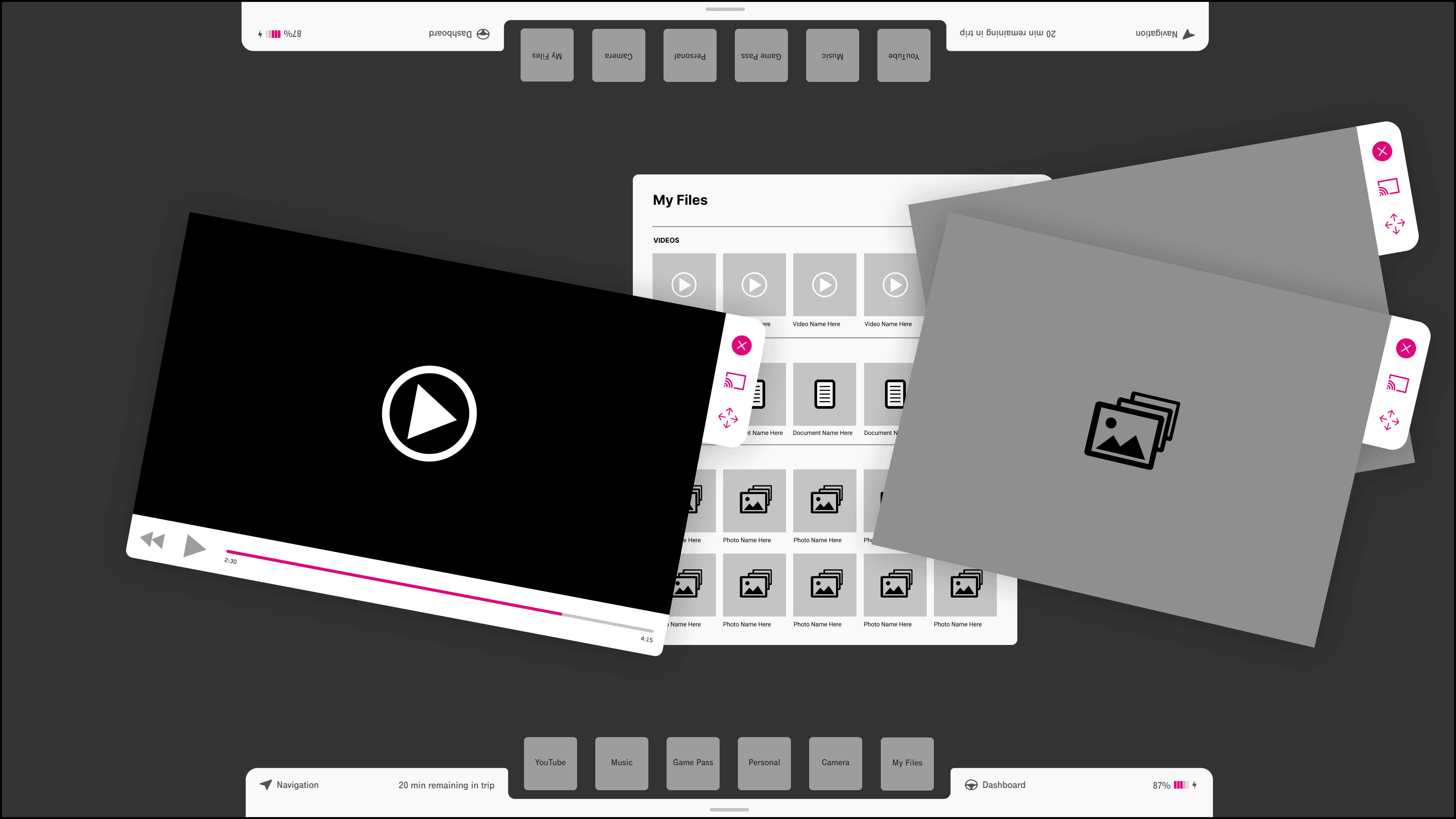
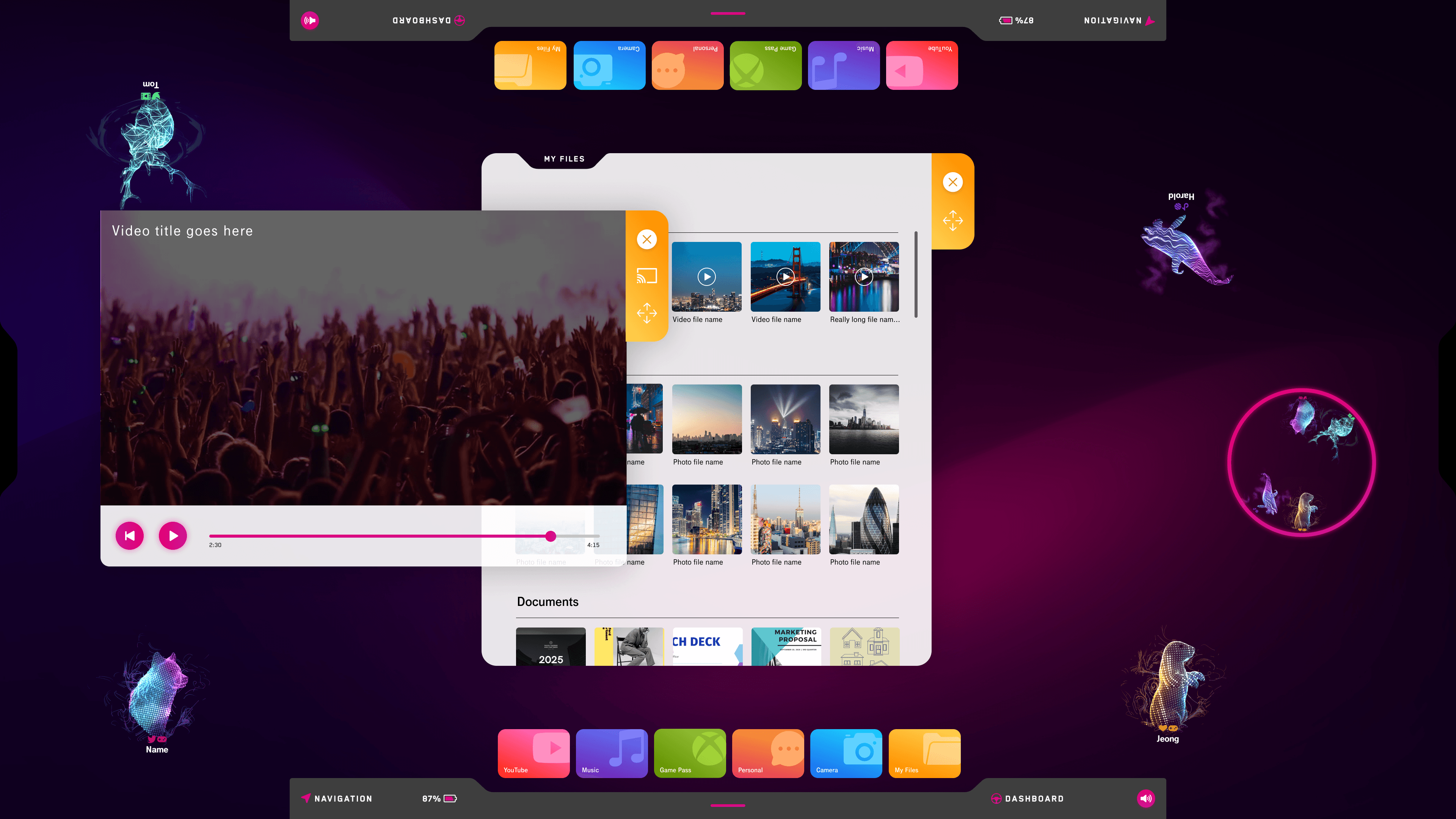
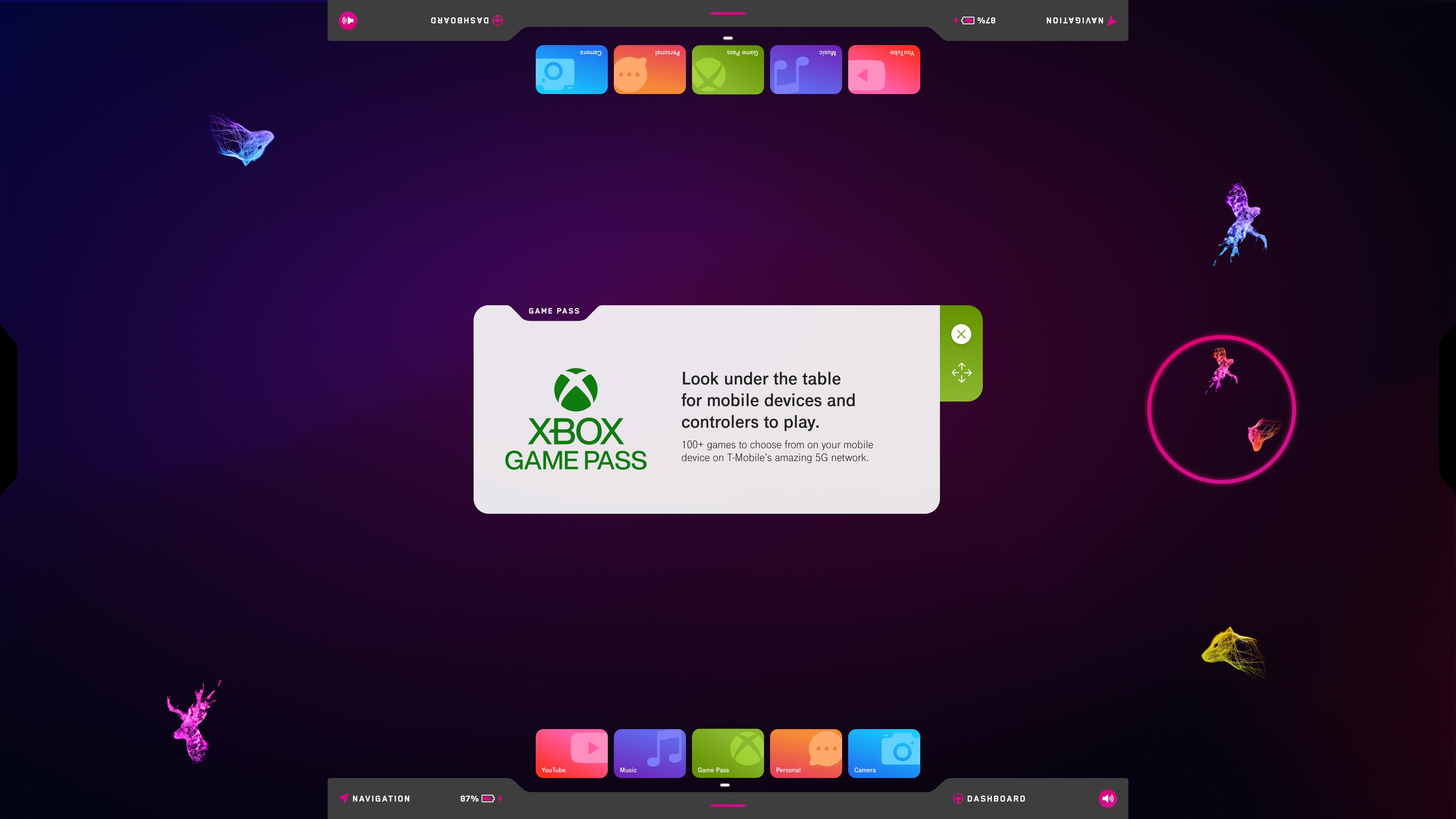
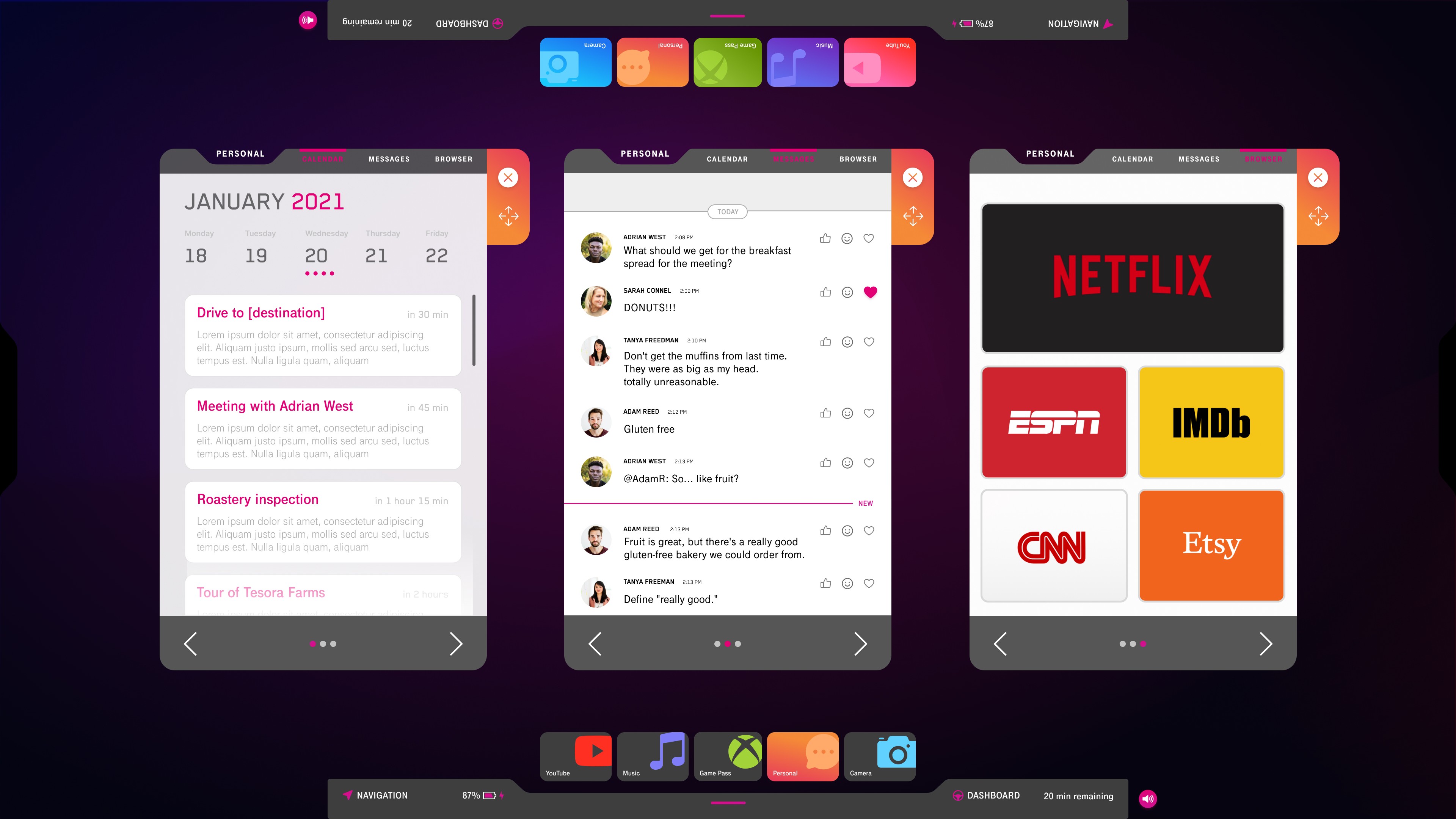
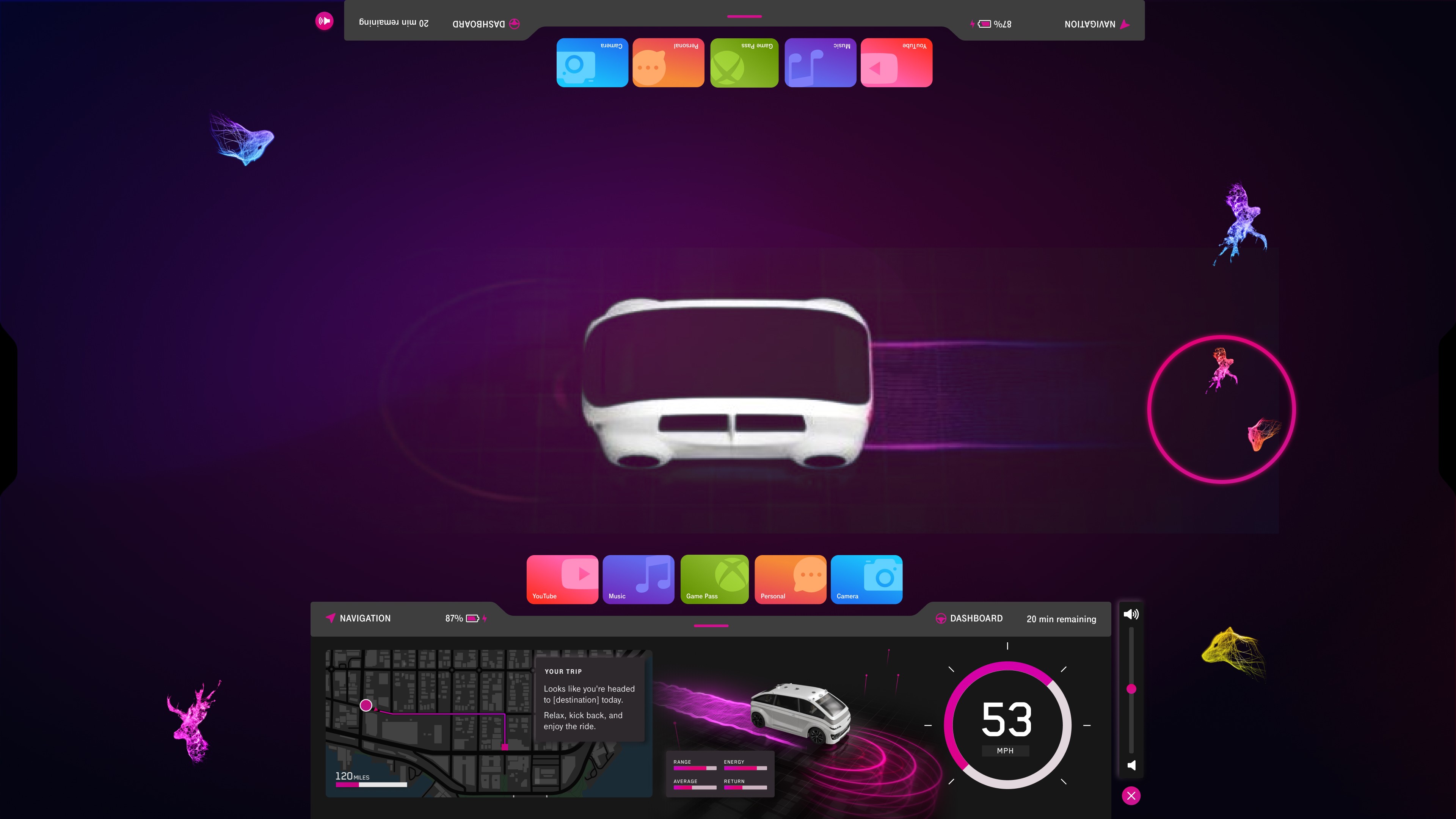
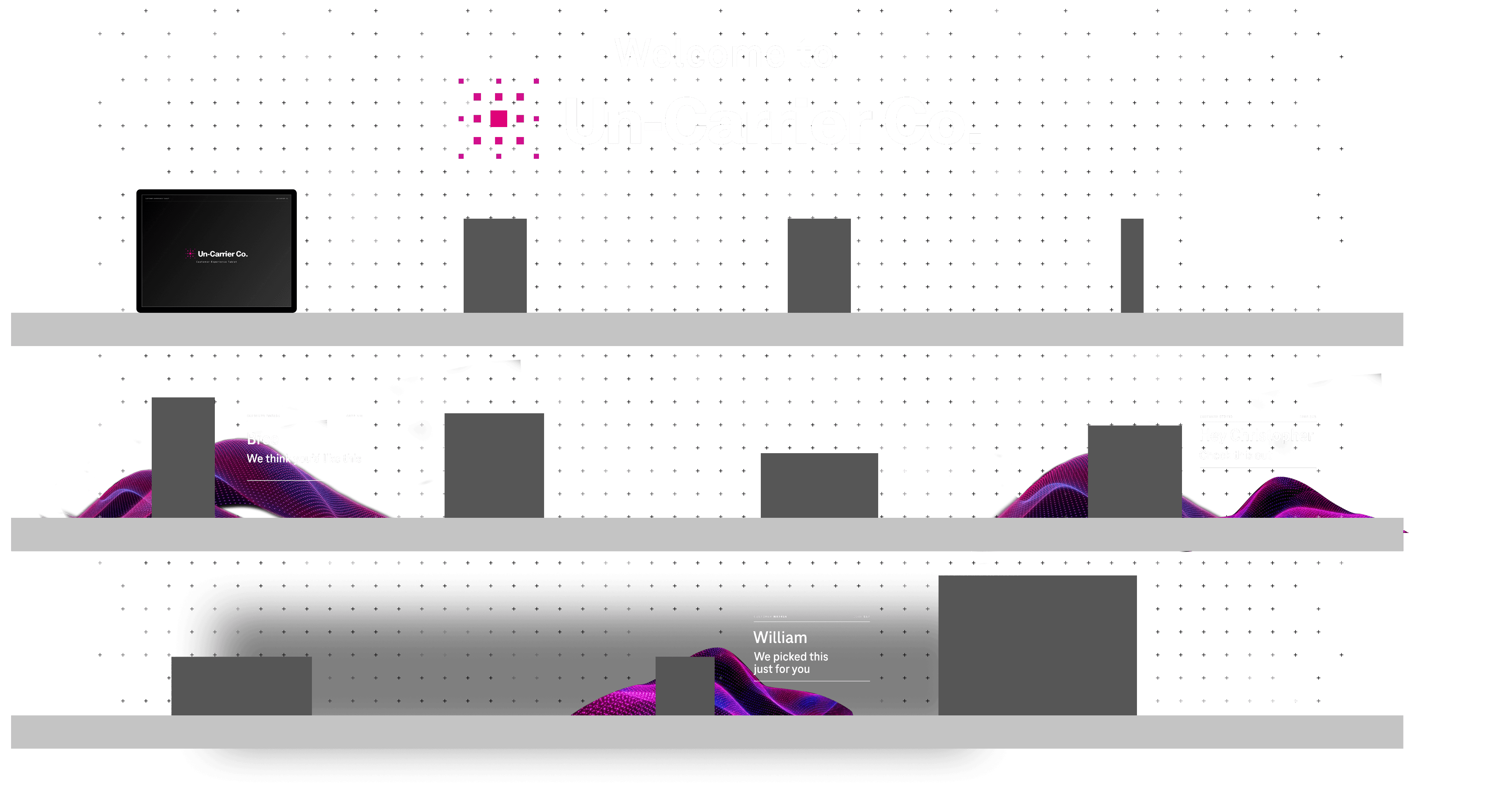

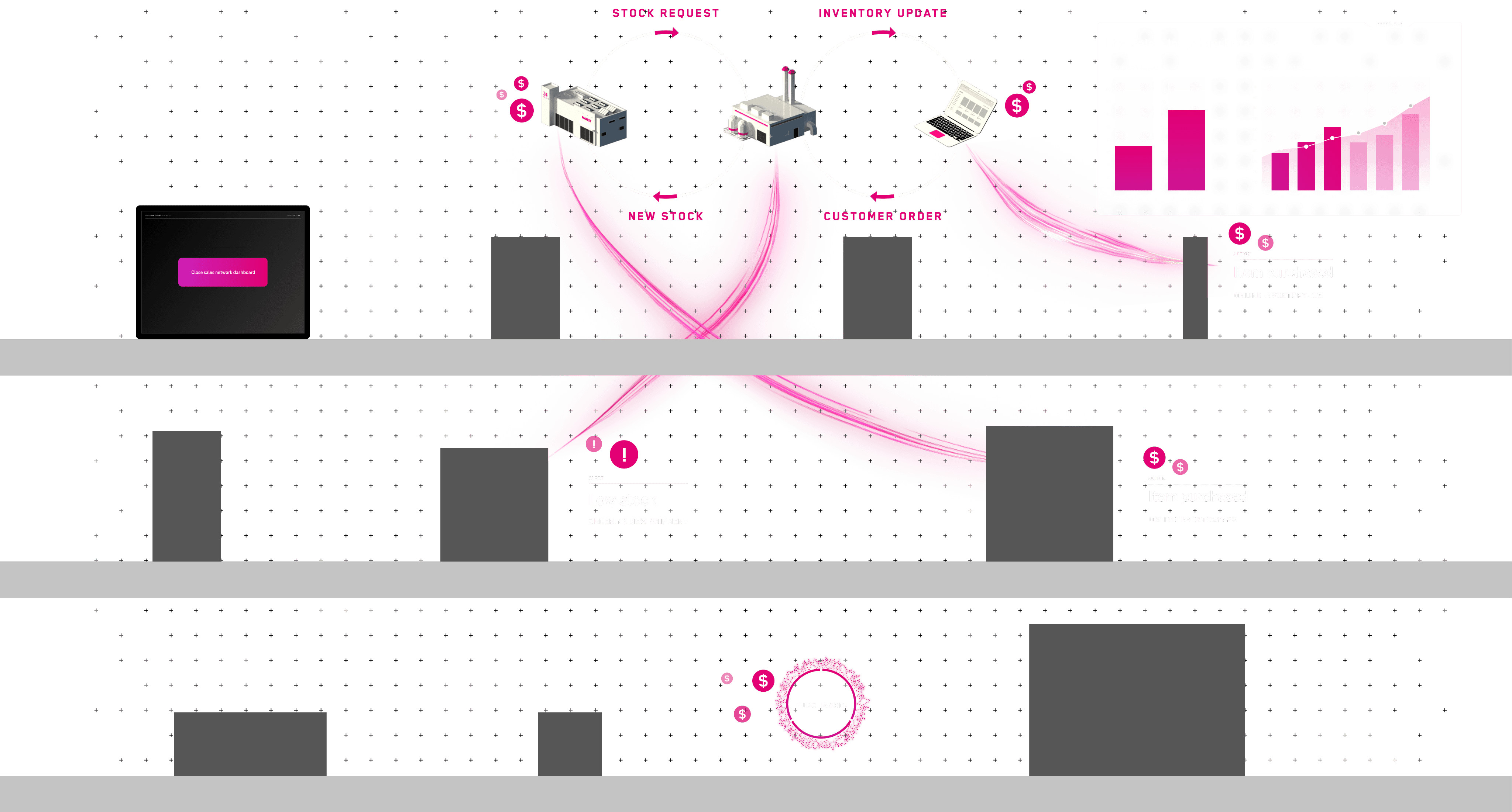
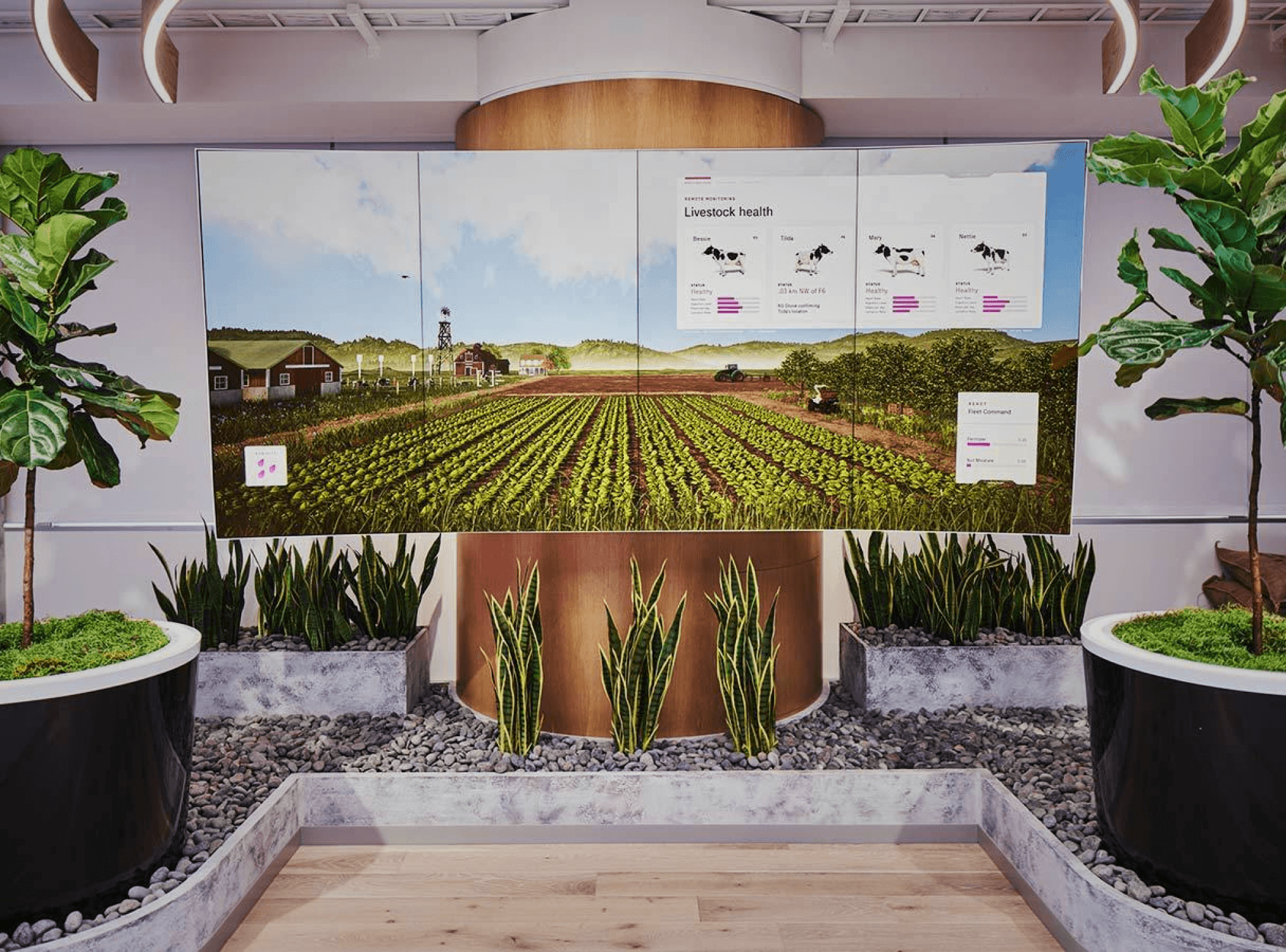
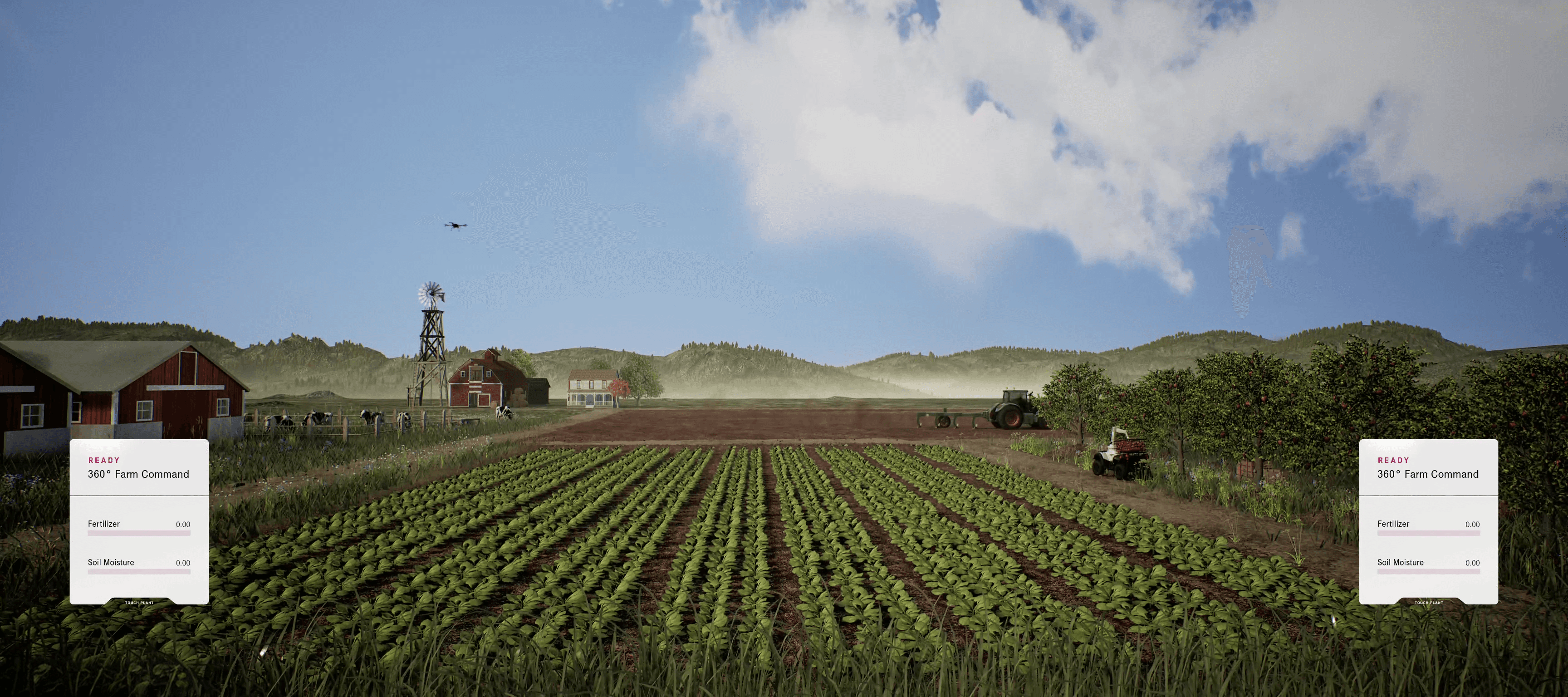
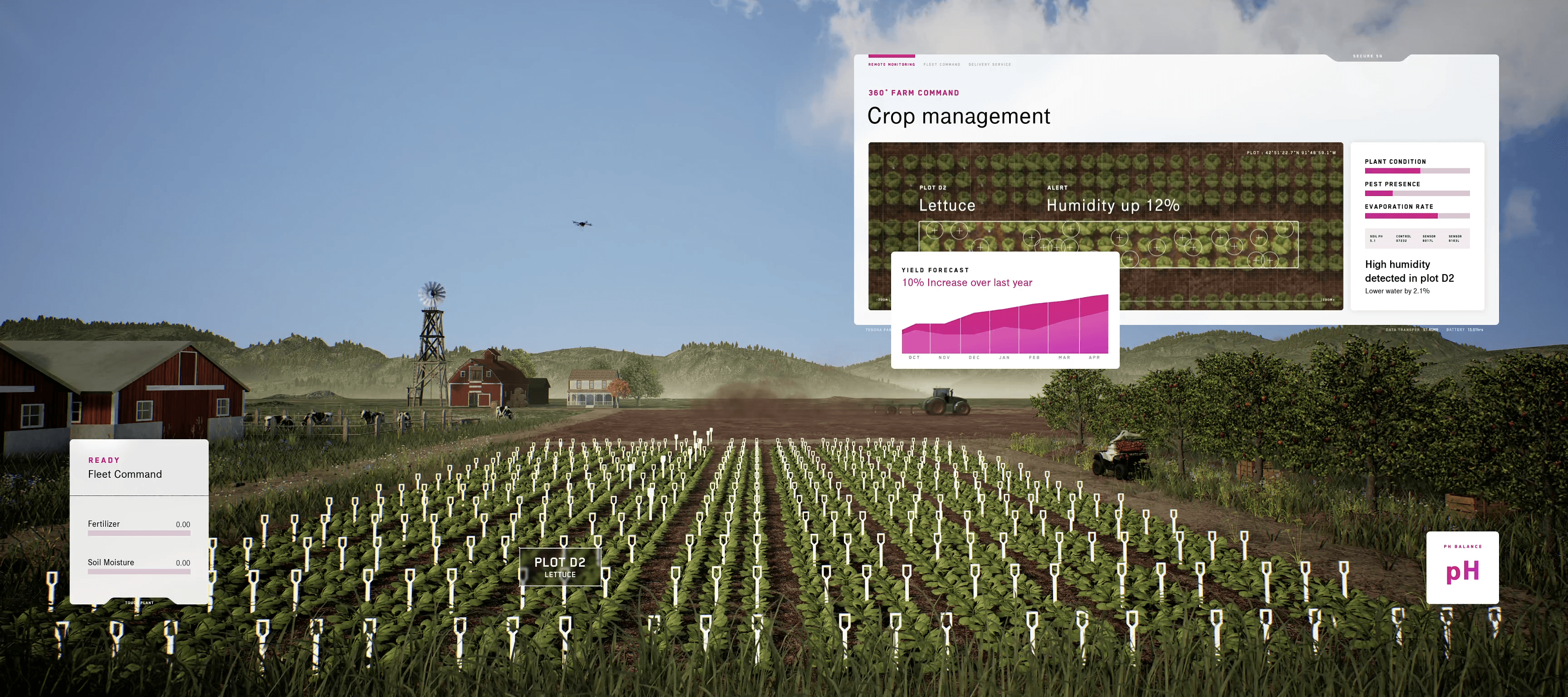
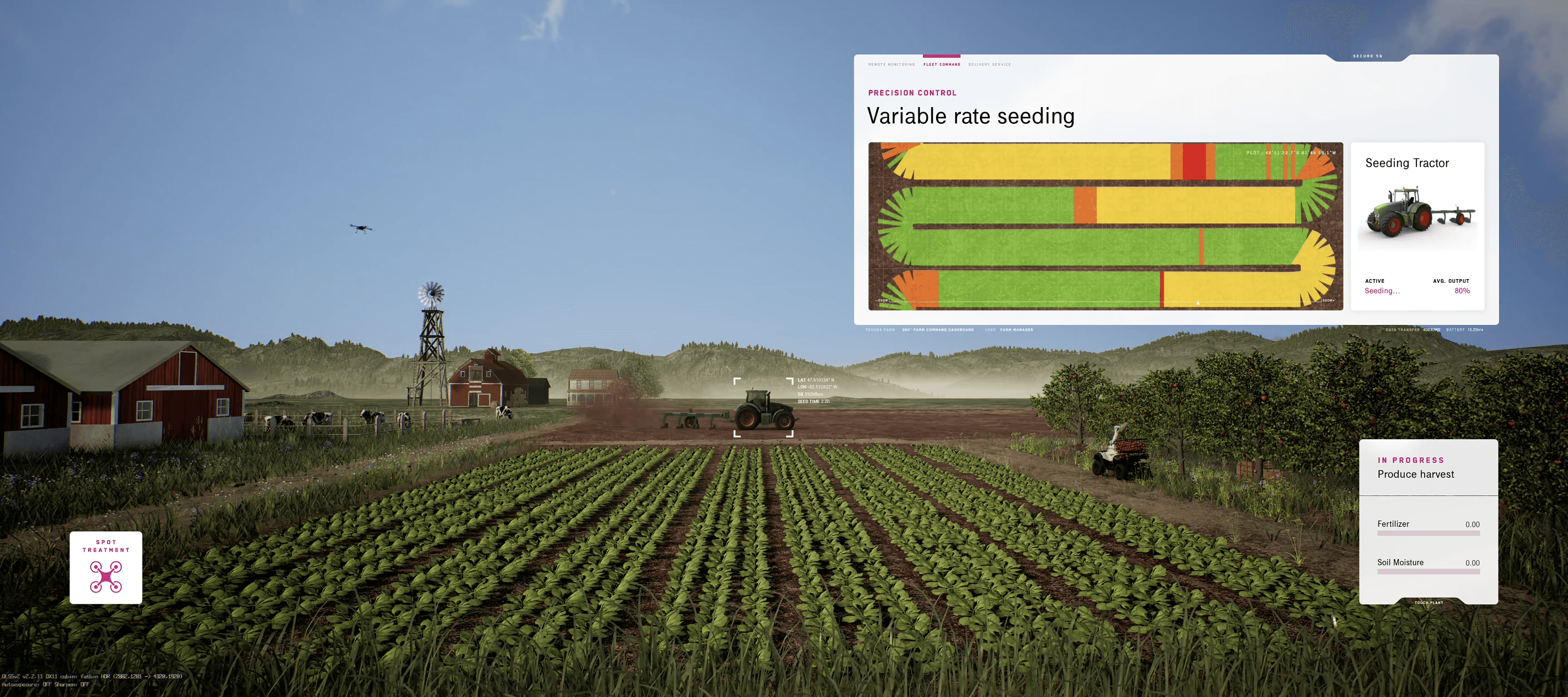
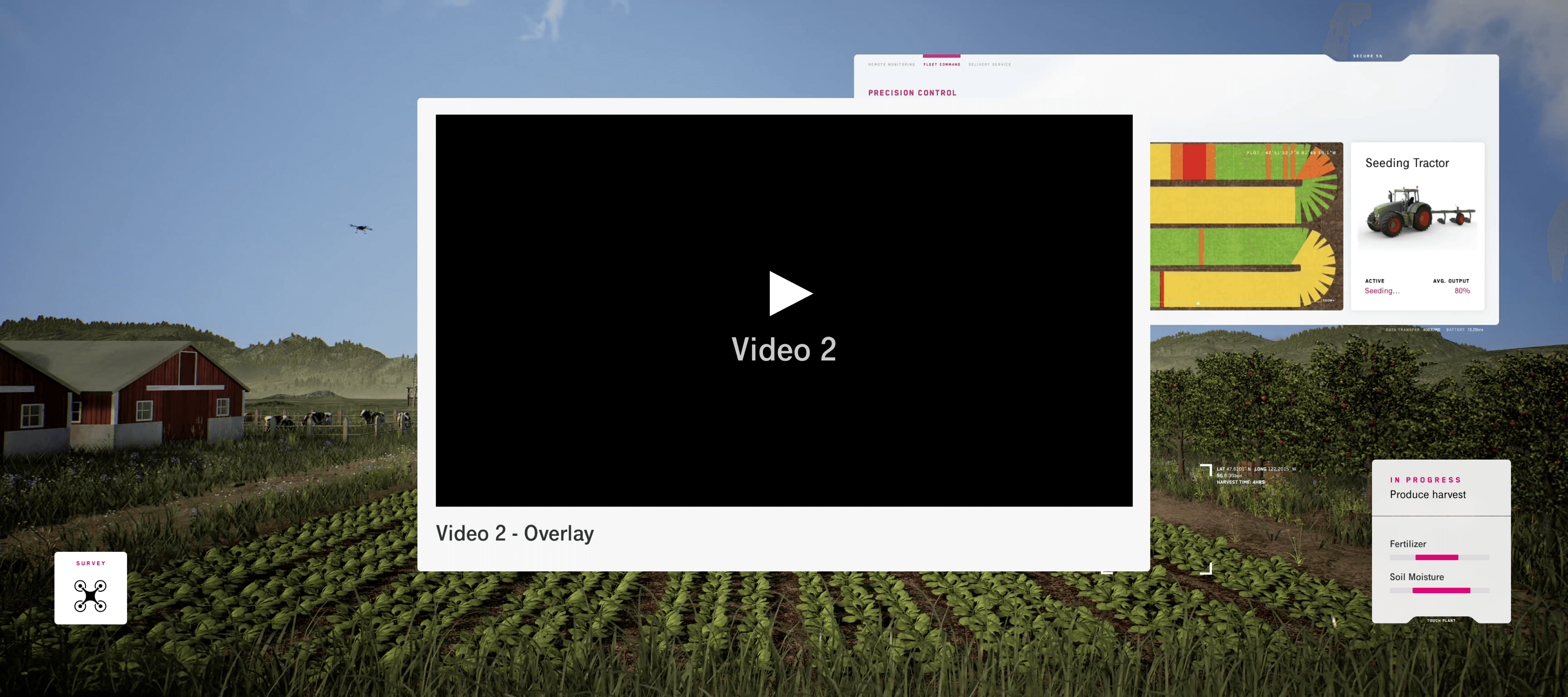
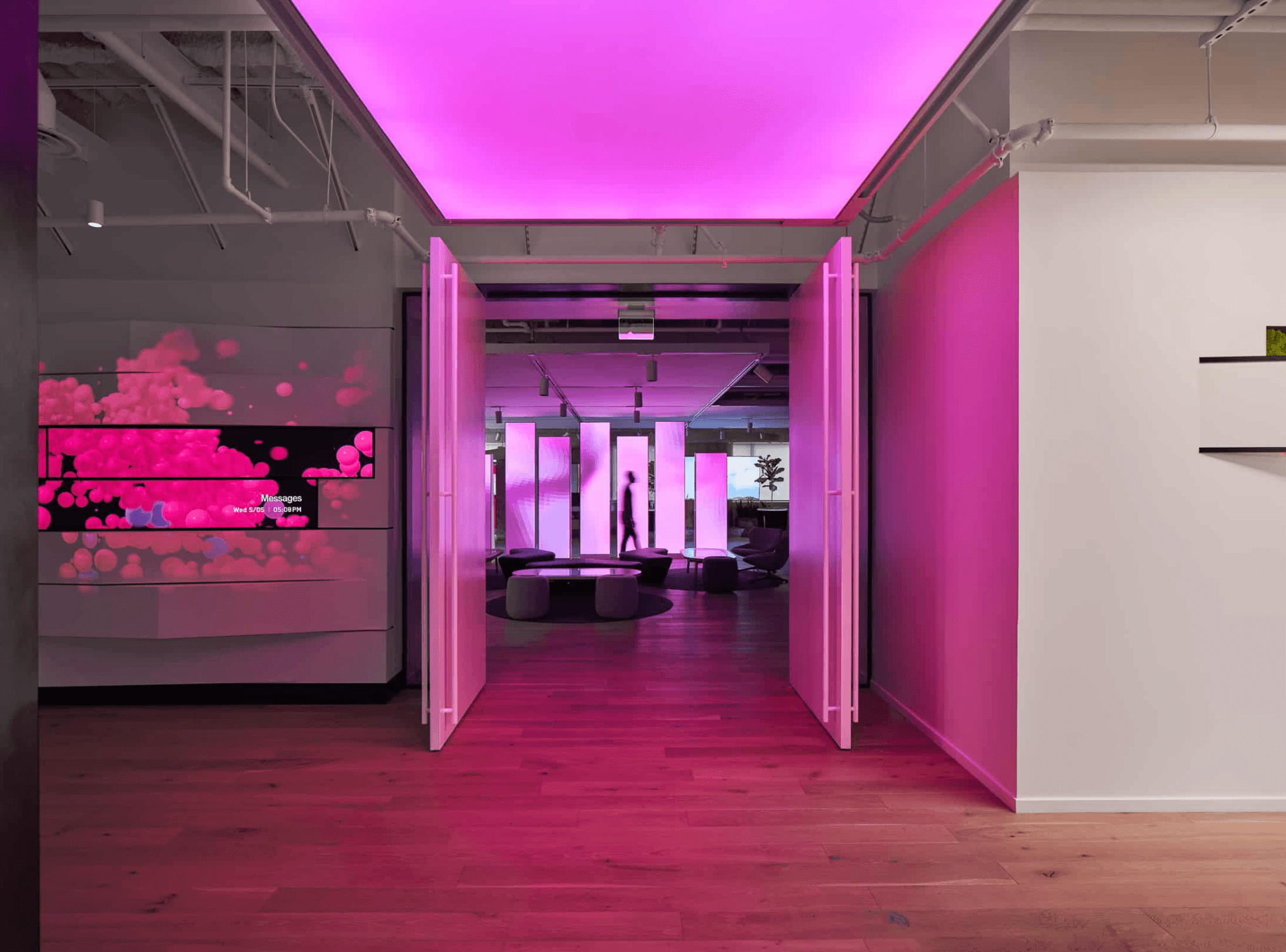
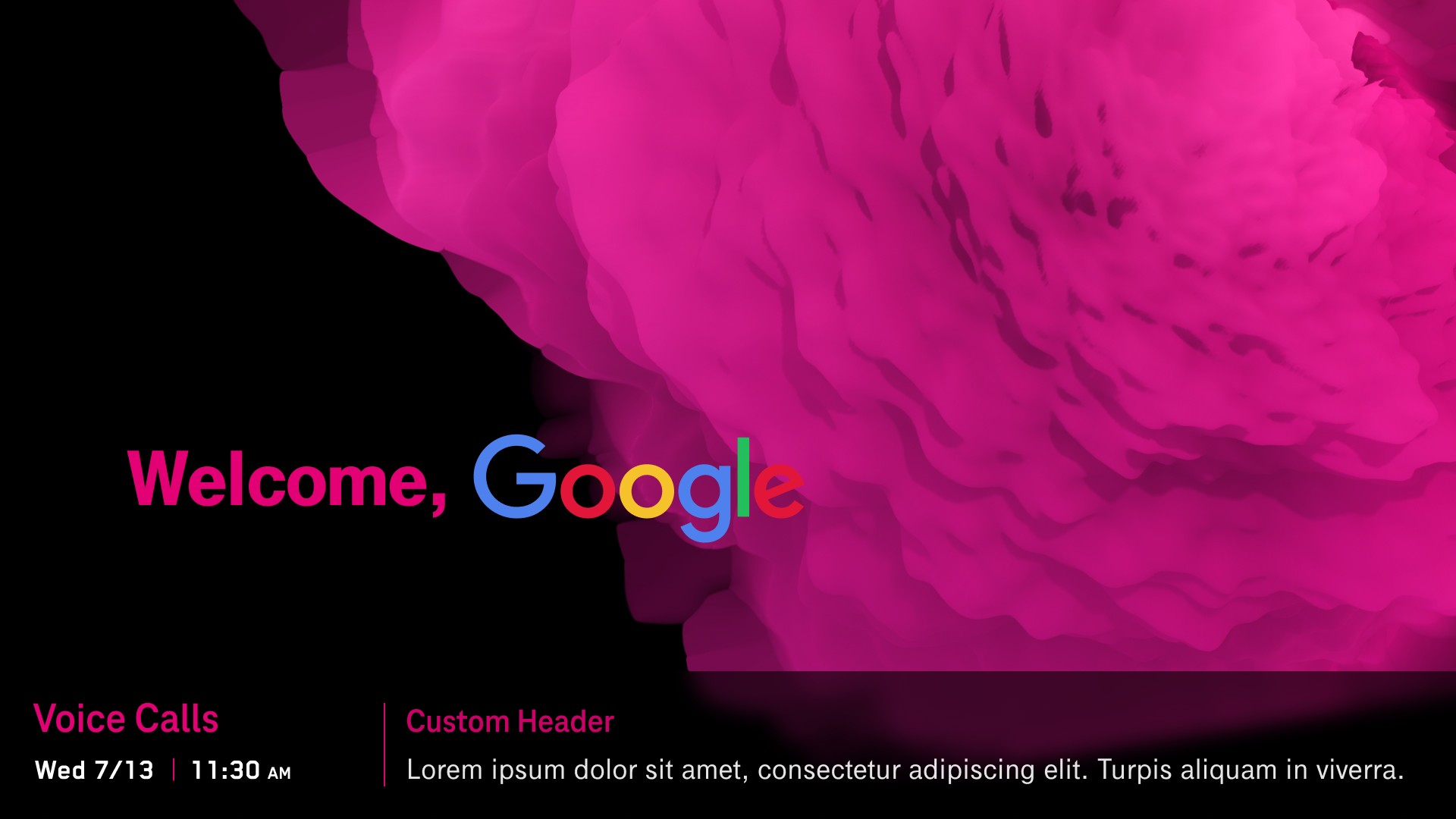
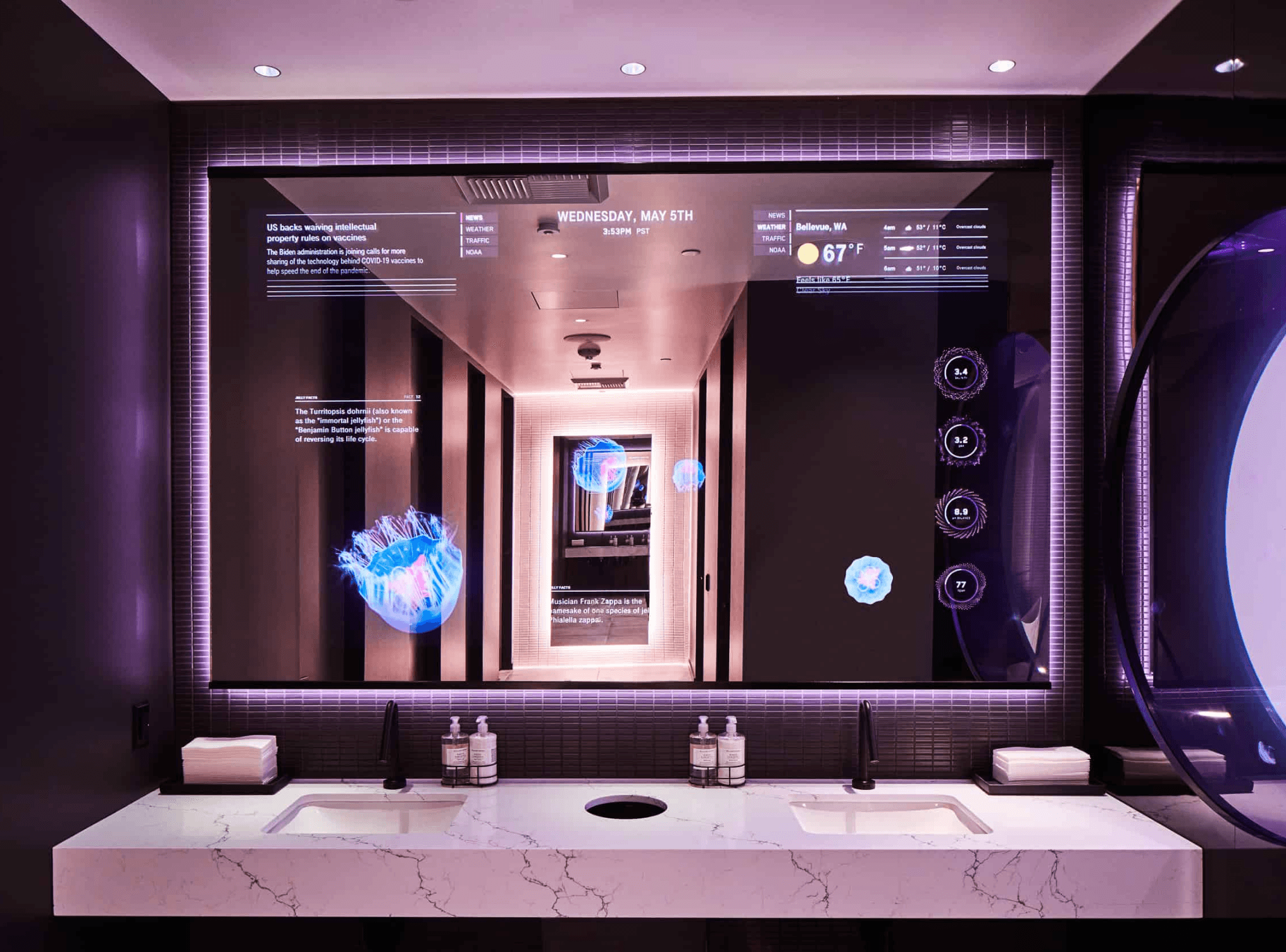
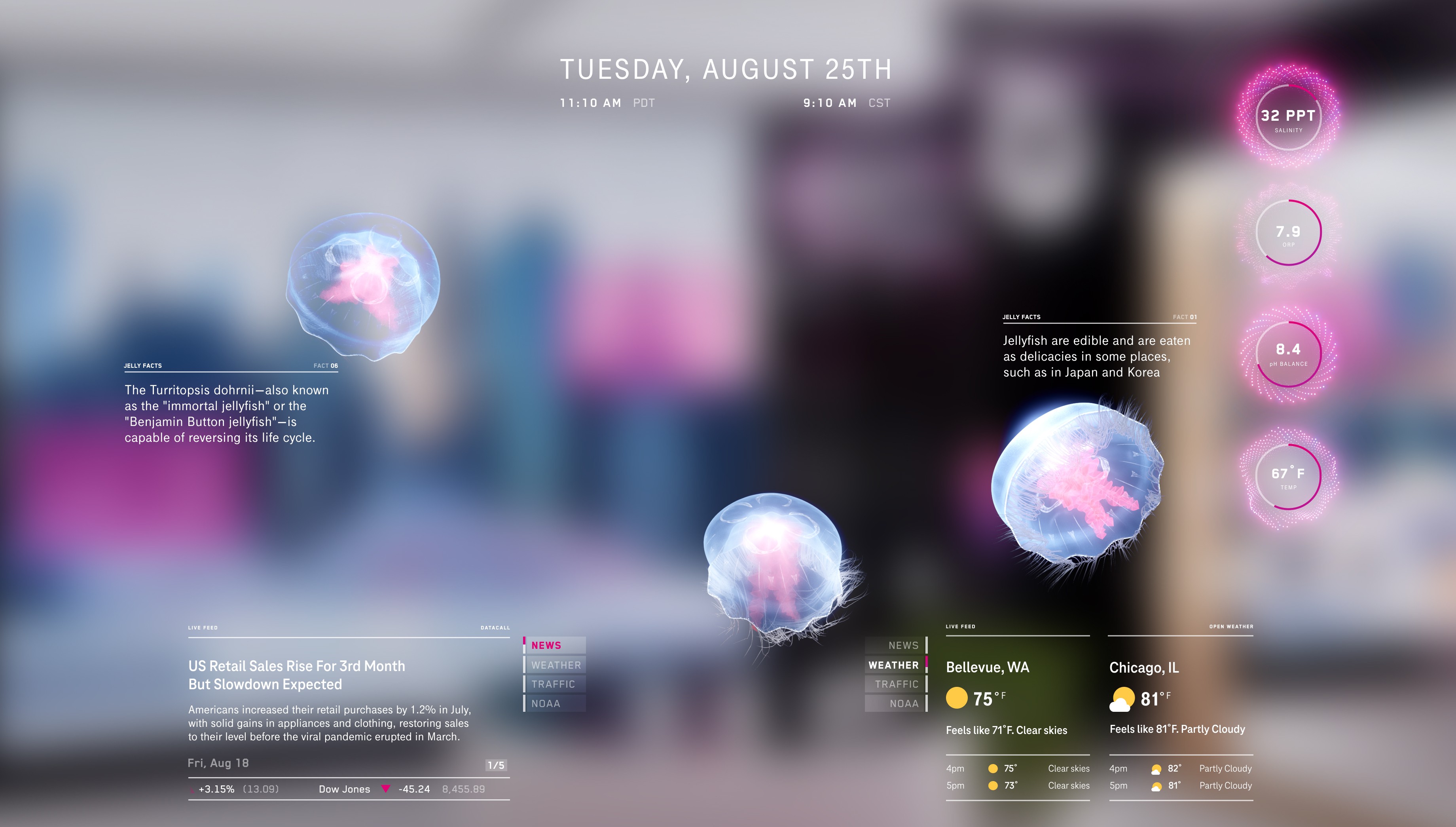
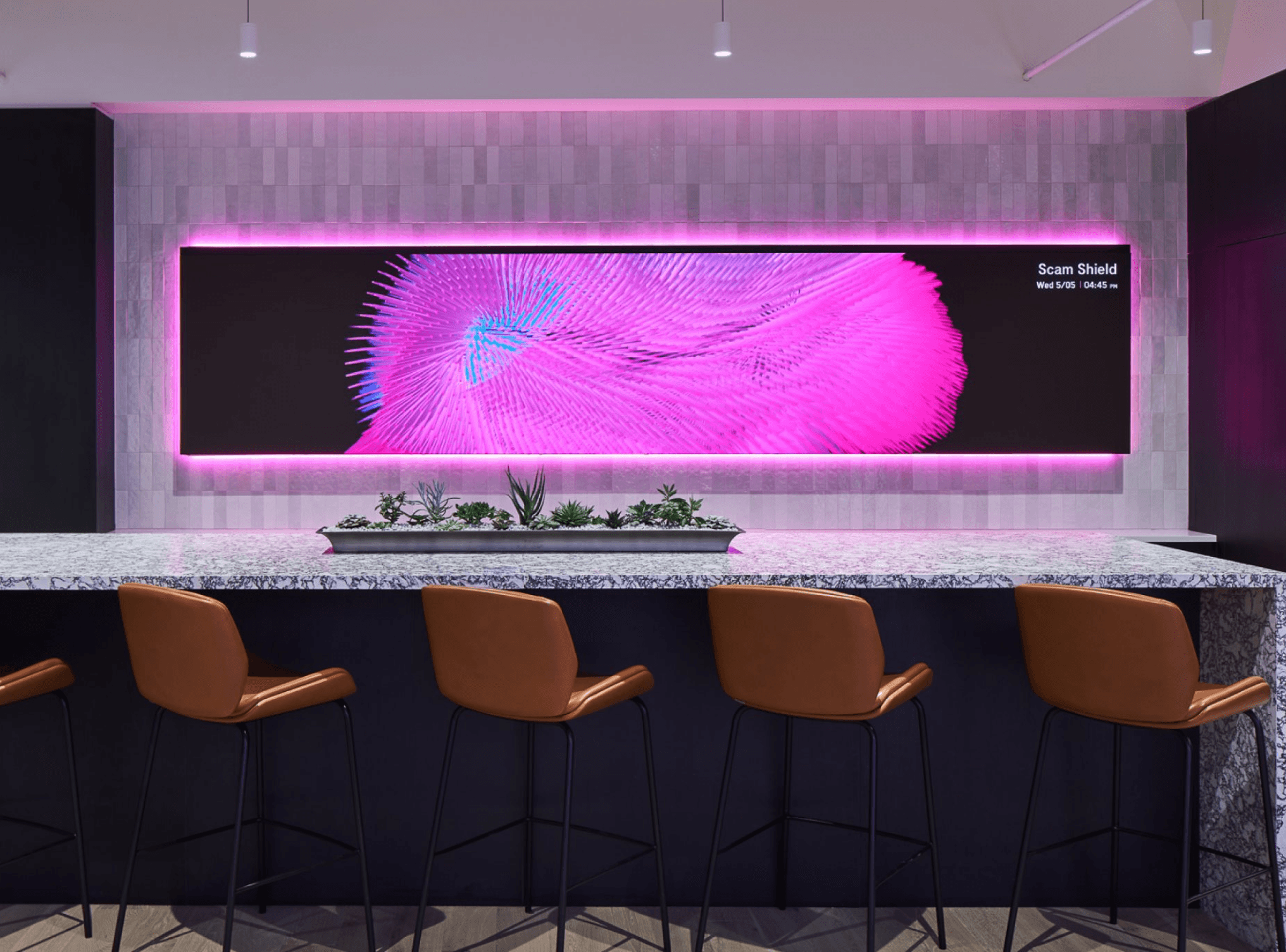
Design Leadership Across Studios
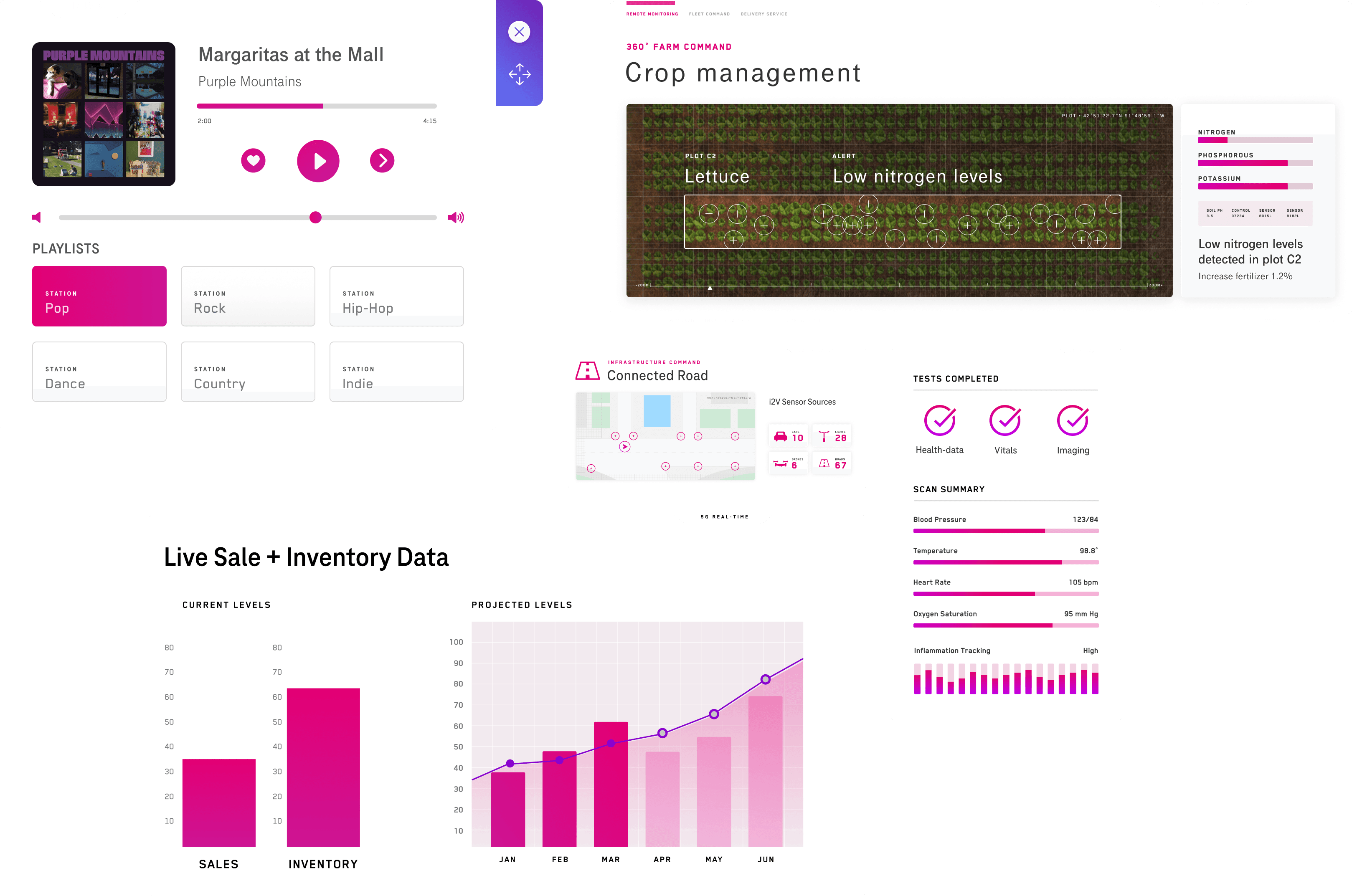
Once I understood what consistency meant across the demo spaces, I established the standards the studios had to follow. This wasn't about imposing a visual style. It was about enforcing behavioral consistency.
I reviewed the UX/UI work from the external studios. Did touch feedback match? Was color coding consistent? Did interaction patterns work the same way across different content? When a studio hit bandwidth constraints, I didn't accept compromises that would break the experience. I designed solutions that extended the system instead.
The consistency mandate meant someone had to understand each studio's work at a deep level. Not just reviewing deliverables, but tracing how each piece fit into the larger system. That required close collaboration, honest feedback, and sometimes pushing back on approaches that looked good on their own but didn't work for the whole space.
More Projects
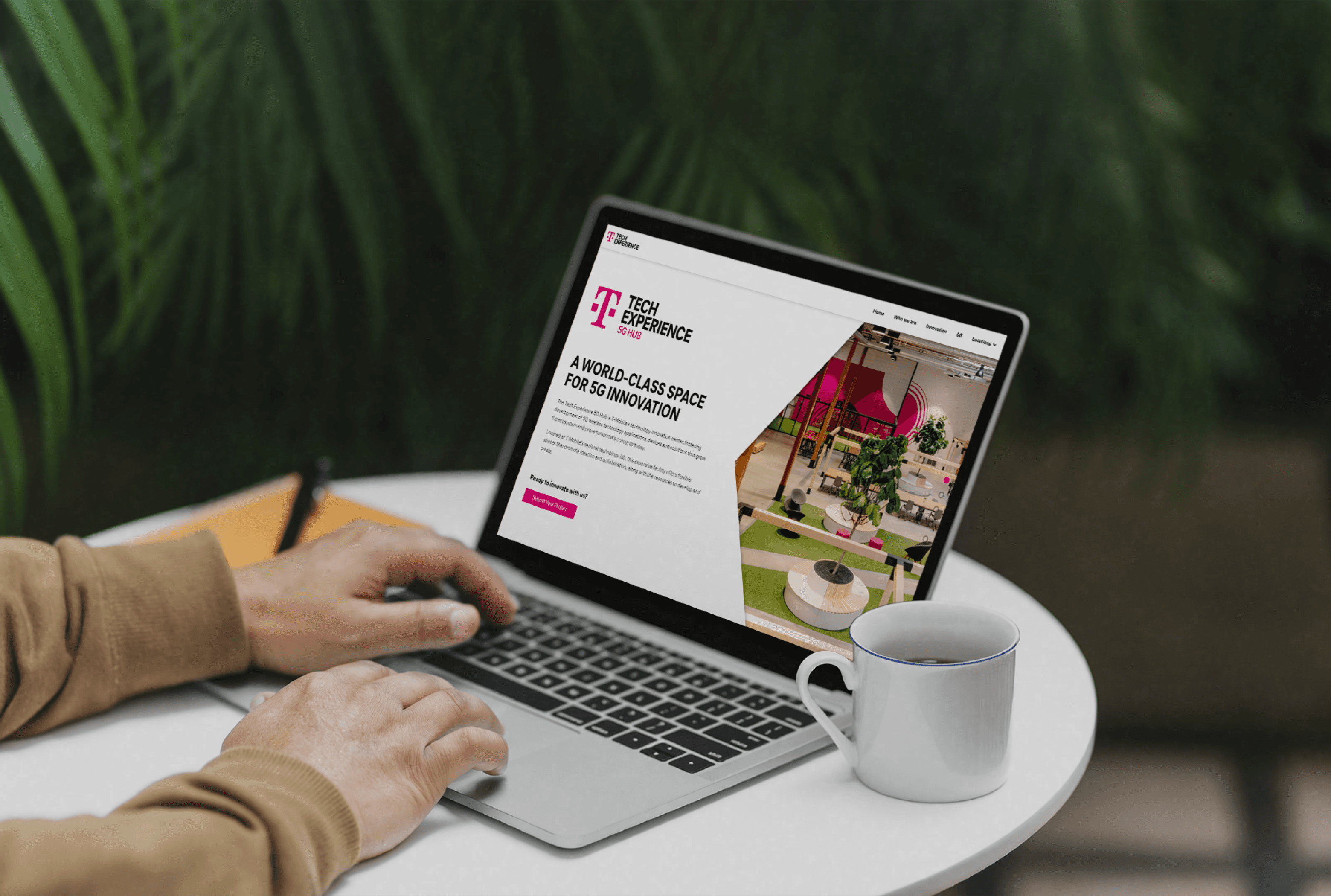
Tech Experience
Orginization Public Website
Overview
Web