S
J
My Design journey
How I Got Here
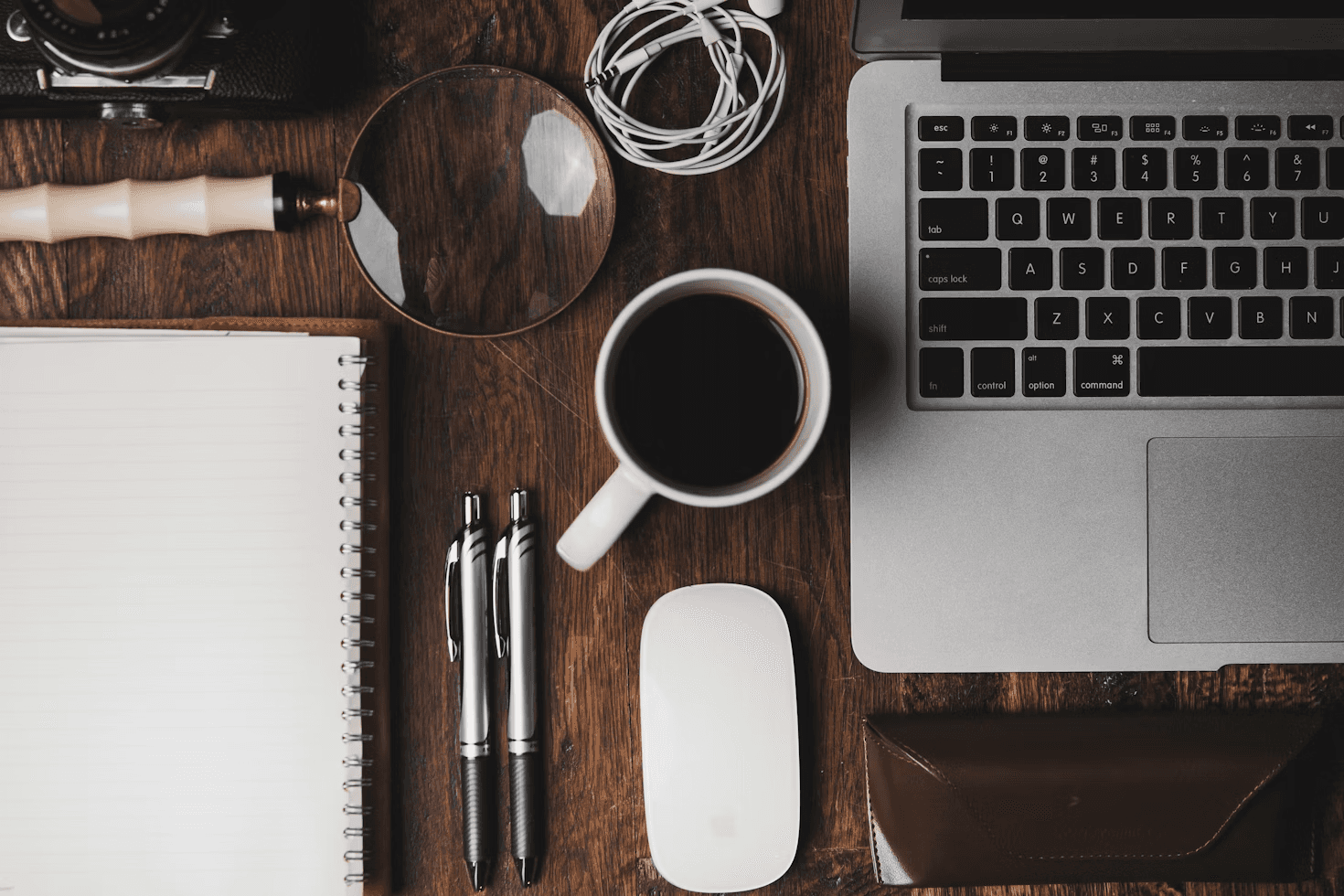
I found design during my second year of college while I was struggling in computer science. I knew I wanted to work in technology and build things, but programming wasn't the fit. When someone suggested UX design, it clicked immediately. I didn't think of myself as creative, but looking back, I'd always been drawn to visual work: drawing, photography. I've always been the kind of person who takes things apart just to understand how they work.
Design felt like the intersection of everything I was naturally drawn to: technology, problem-solving, human behavior, and visual thinking all in one place.
Growing up with dyslexia shaped how I think about problems. It forced me to approach things differently and find solutions that aren't always obvious. That's carried into my work. I tend to look at systems from a different angle and simplify things in ways that feel more intuitive.
The history
How I Work Now
My career has been a progression from execution to systems thinking. Early on, I focused on creating clean, usable interfaces. As I moved into more complex environments, I started working closely with product and engineering, which exposed me to the realities of constraints, tradeoffs, and scale. That's when I shifted from thinking about individual screens to thinking about systems and user journeys.
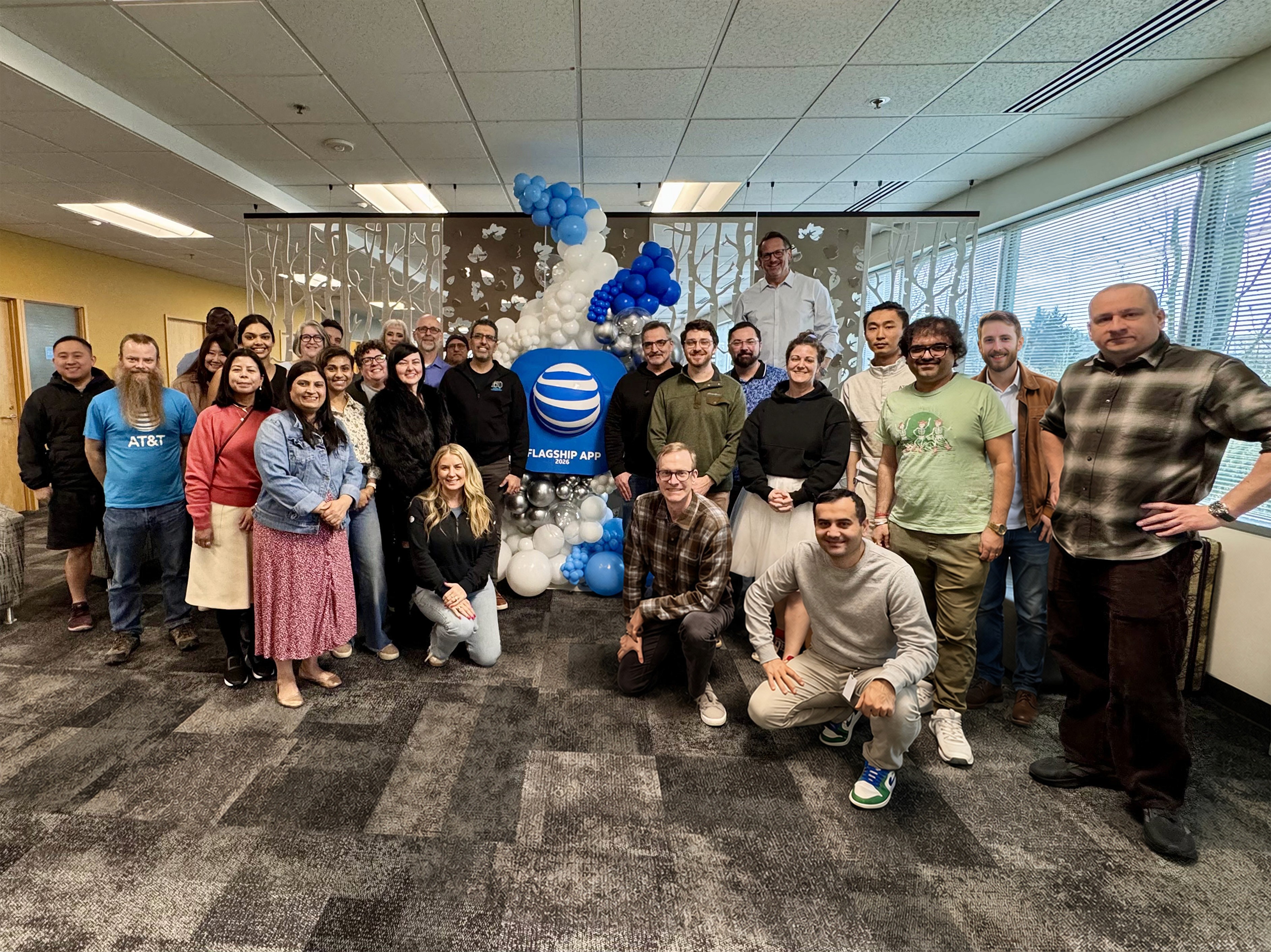
By the time I joined AT&T, I was approaching design as a problem-solving discipline, not just a craft. I focus on aligning user needs with business goals, simplifying complex flows, and creating experiences that are thoughtful, shippable, and scalable.
What's kept me here is the ability to create experiences that people actually enjoy using. Not just something that looks good or works, but something that feels smooth, engaging, and a step above what they expect. That balance (familiar enough to be usable, but thoughtful enough to stand out) is what I'm always chasing.
01
Nibble, bite, chew.
Not everything earns screen space. I think about information in layers: what someone needs to orient themselves, what they need to decide, and what they need only if they dig deeper. The right layer at the right moment reduces cognitive load without dumbing anything down.
02
Design for the full range
Most designs are built for one use case, one data state, one user type. I think about range: what does this look like with no data, partial data, and too much? What happens with an expert versus a first-timer? Designing for the extremes usually makes the middle much stronger.
03
Constraints first
This ones a "no duh", but I’ve seen to many designers skip over it in the workplace.
Before I explore solutions, I want to know what I'm working inside of: technical limits, business rules, edge cases, timeline. But also, is the juice worth the squeeze? Not every problem deserves the same design investment. Some constraints aren't obstacles, they're the shape of what's actually valuable.
04
Engineers aren't the finish line
To many design teams I’ve join are at odds with their development team.
I bring engineers in early, not to validate, but because they surface constraints and edge cases I won't think of alone. When I know something is technically avoidable but being avoided anyway, I'll push on it. A little more build time for a significantly better experience is usually the right tradeoff.
05
Document the what and why
My annotations document when something shows, the conditions that change its behavior, what it leads to, and what edge cases live around it. So when I'm not in the room, the thinking is.
A little about me & my life

Born and raised here. I have a special connection to the greater Seattle area that people who move here later don't quite have. I've watched it grow and change over the years, and I have a real appreciation for it.
I'm outdoors constantly. Golf, tennis, walking, paddleboarding, slacklining, frisbee. Whatever gets me moving and outside. Seattle's the right place for that.

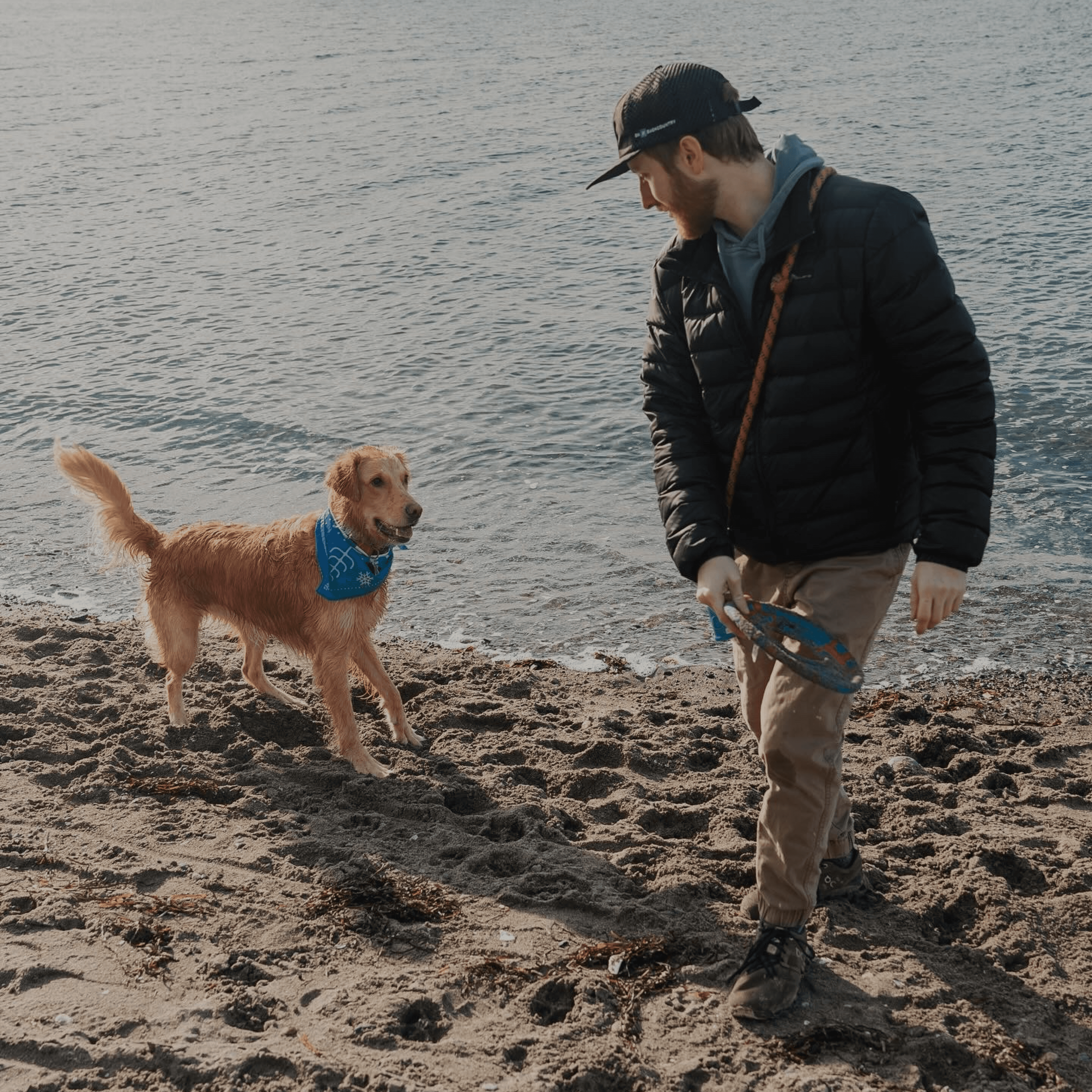
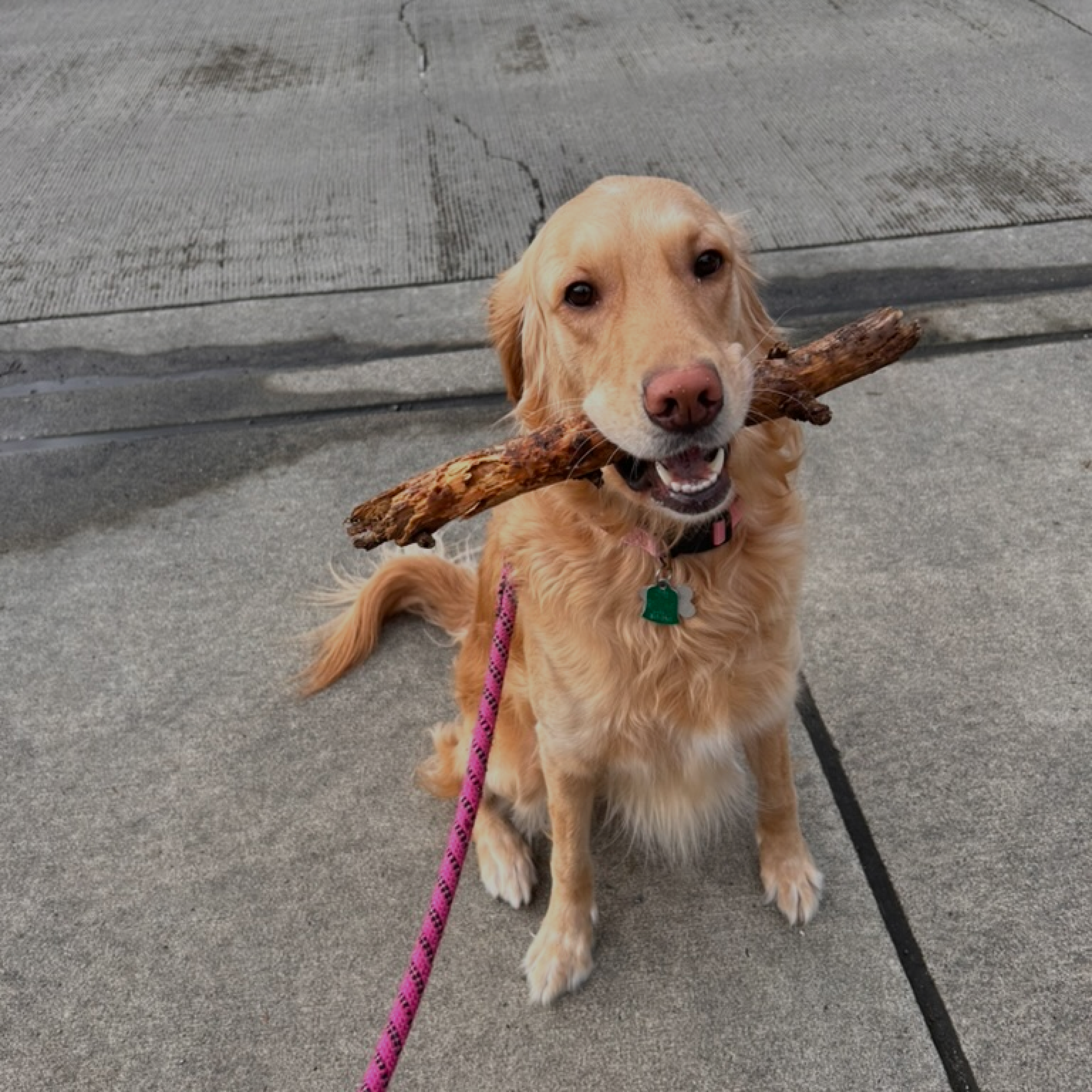
I have a golden retriever named Mia. She's basically part of my personality at this point. I work from home, so we spend all day together, and I take her almost everywhere. She's a big part of my life.
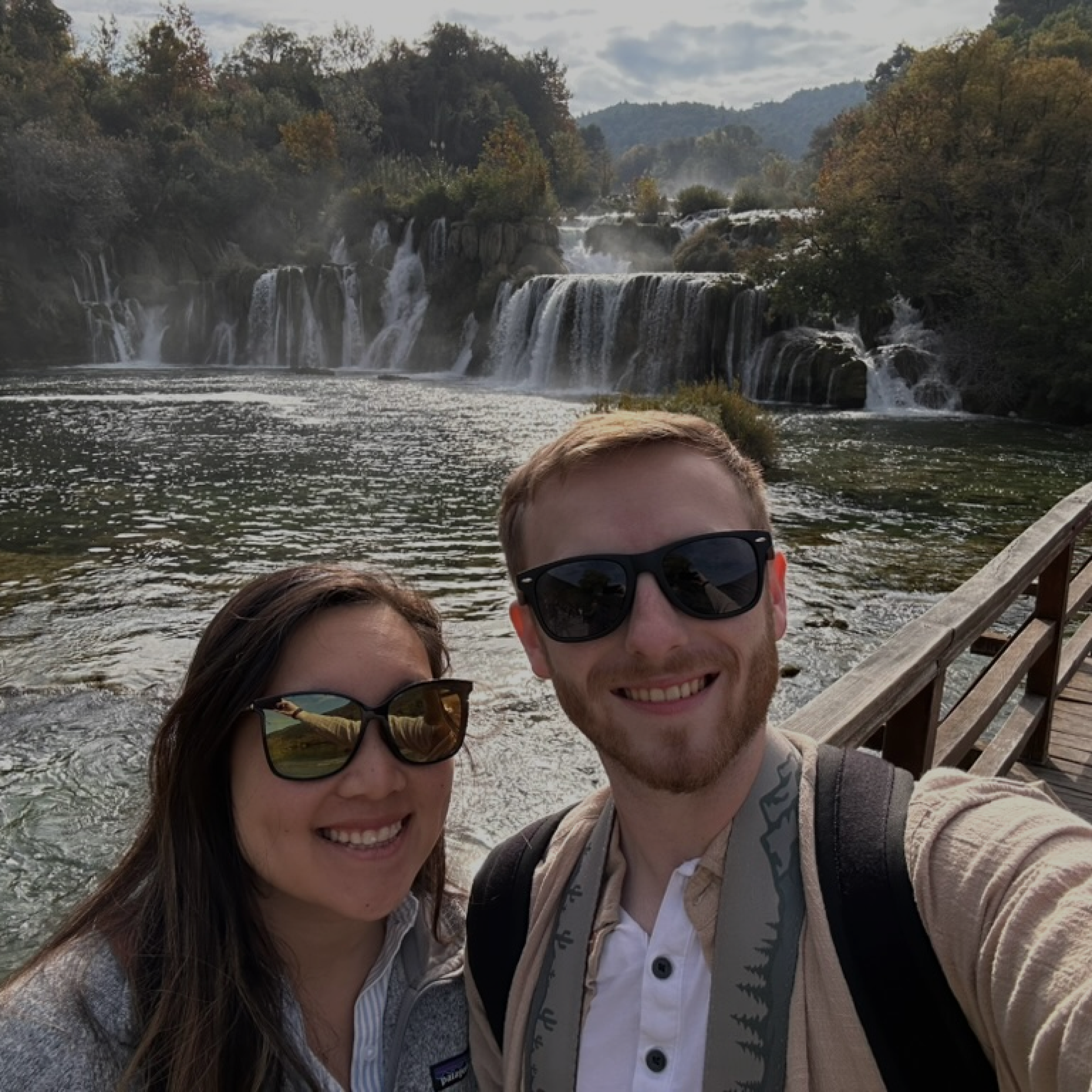
I love to travel and experience different countries and places around the world.
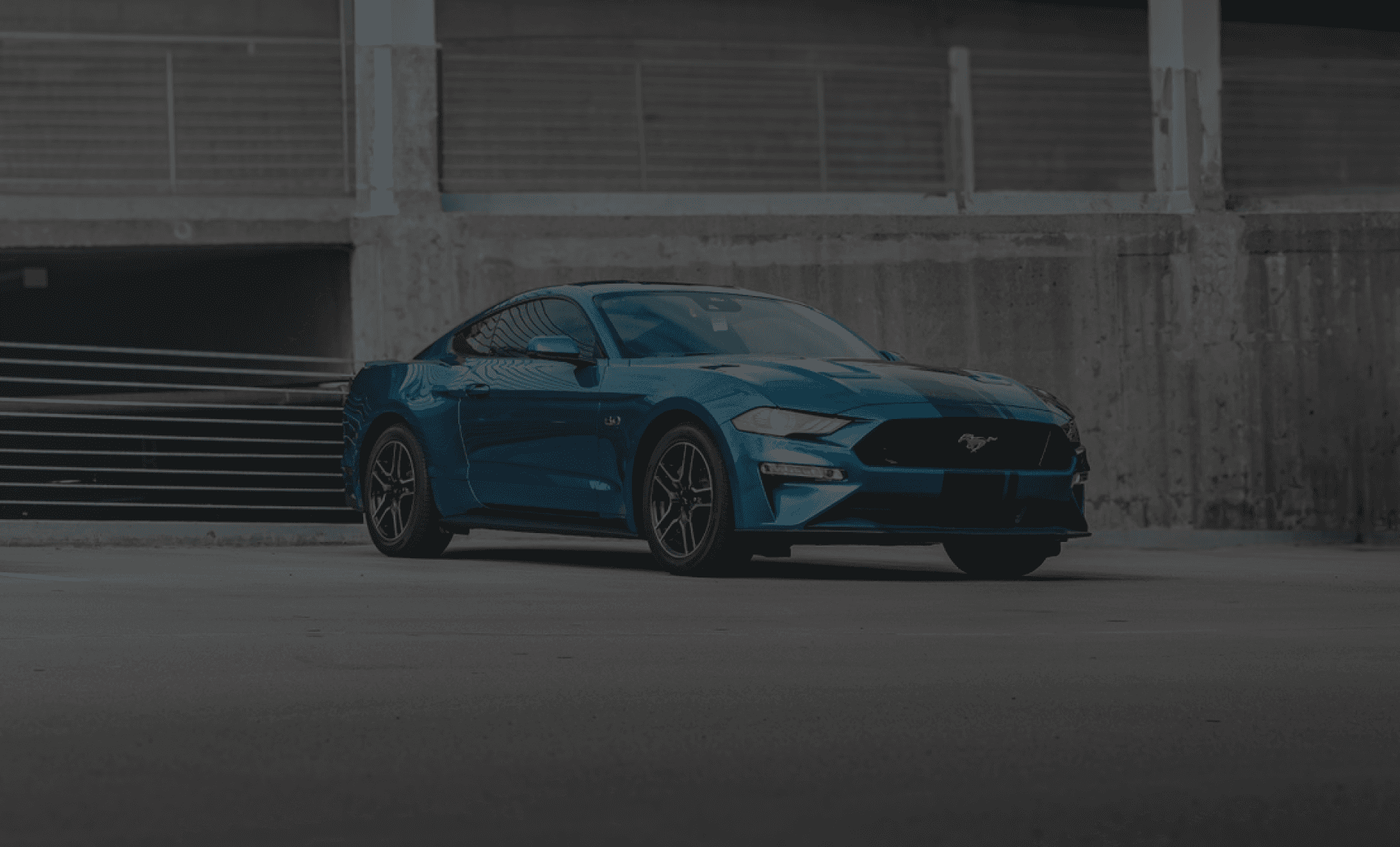
I genuinely enjoy fixing my own cars and designing car interfaces as a design exercises. There's something about the problem-solving and aesthetics of automotive design that appeals to me in a different way than software does.
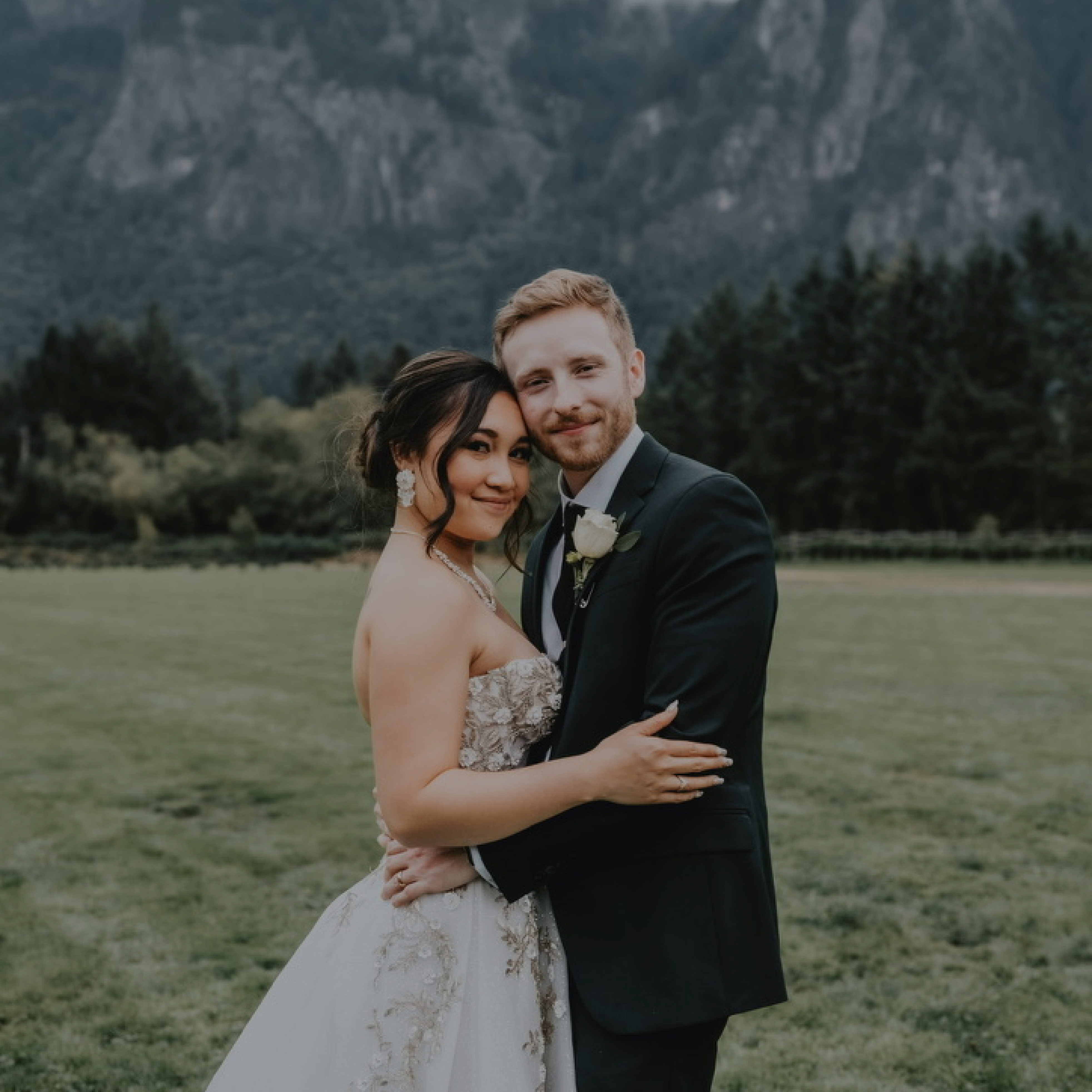
At the end of the day, I'm a pretty low-key guy. I love spending time with my wife and Golden. Cooking dinner from scratch, a good summer evening walk, just building a life that feels good. That's where I'm at.
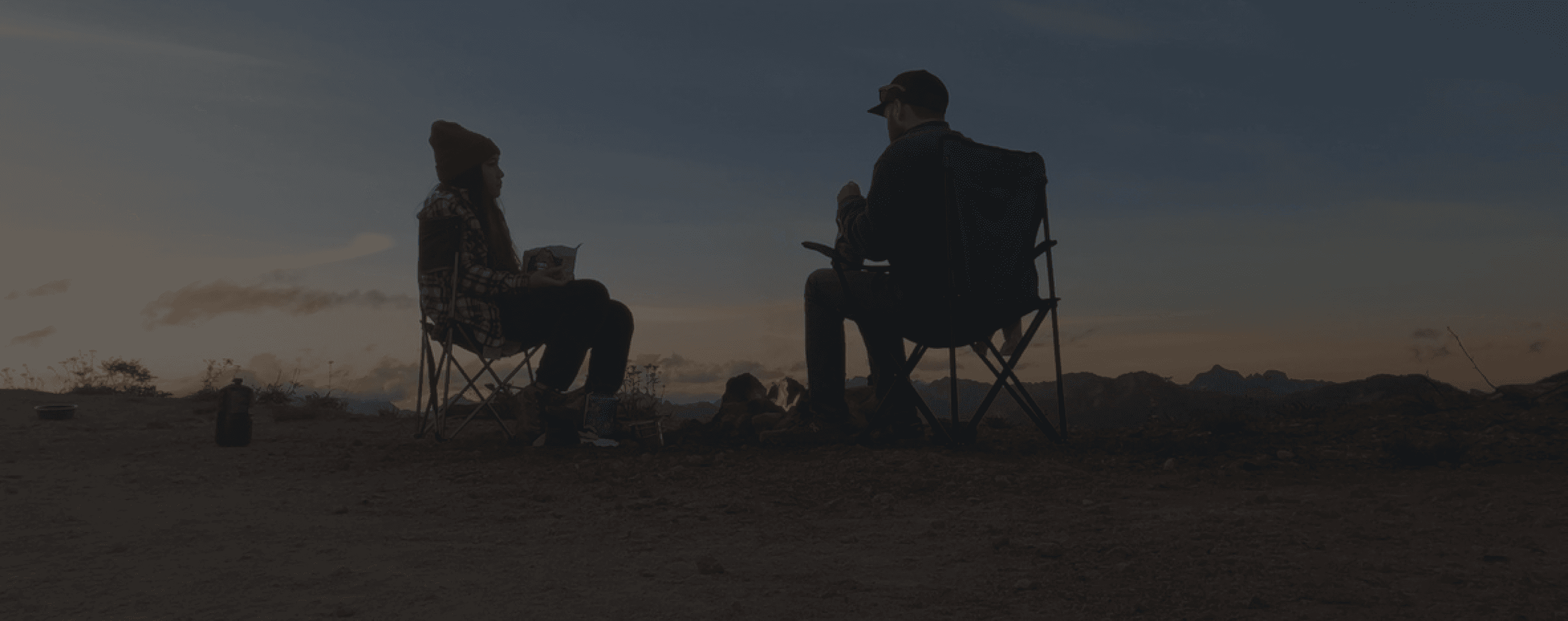
Living in the pacific northwest, we try to spend as much time exploring nature.
I'm a photographer and videographer. It's a serious hobby that occasionally turns into work. It connects back to that lifelong draw to visual thinking and composition.
Professional Experience
If you’d like to learn more, check out my resume or better yet connect with me on linkedIn